2026 NO.39
Menu

Celebrating with Food in Japan

Seasonal Calendar of Food and Celebration


Culinary calendar closely tied to seasonal celebrations
Photos: PIXTA, Aflo
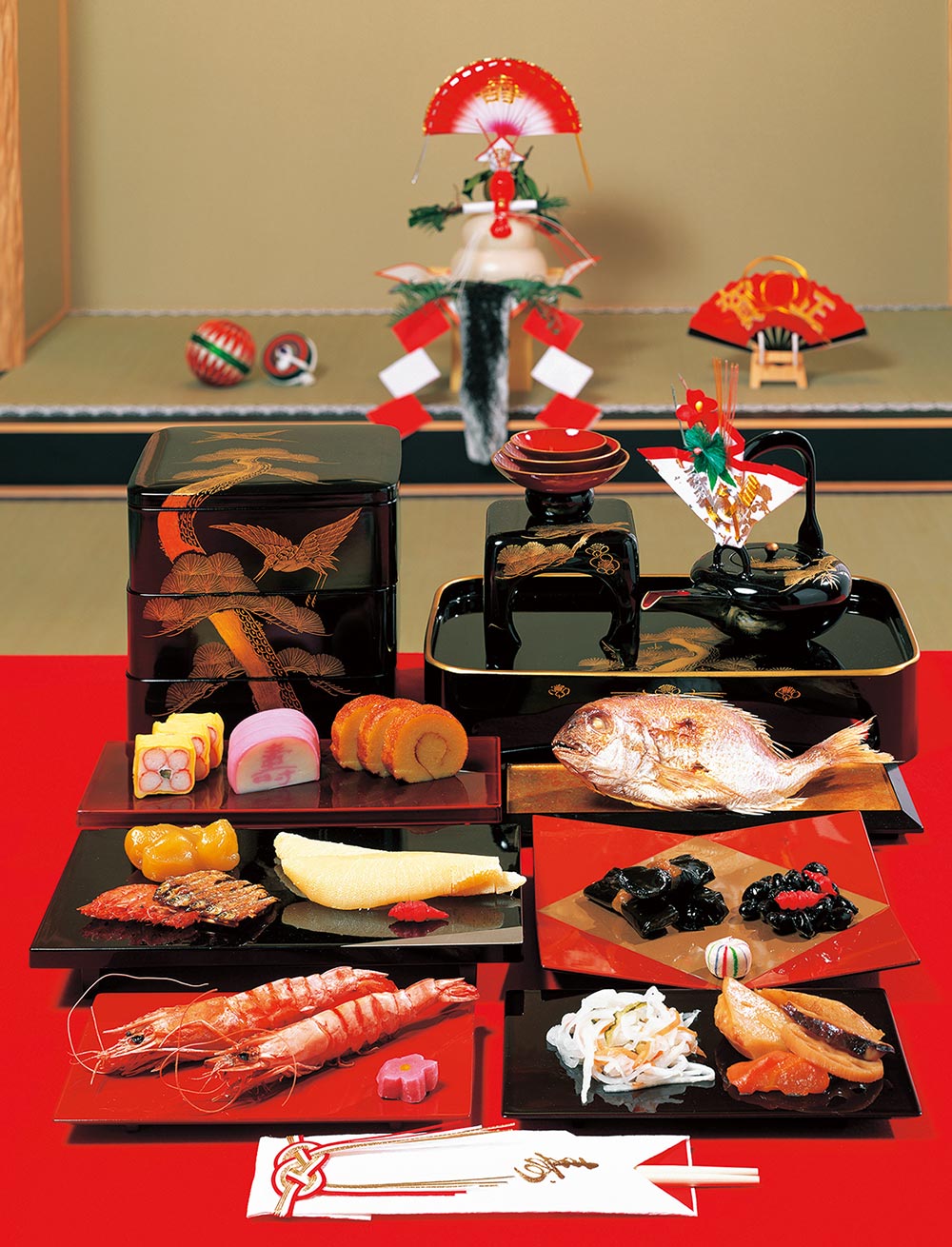
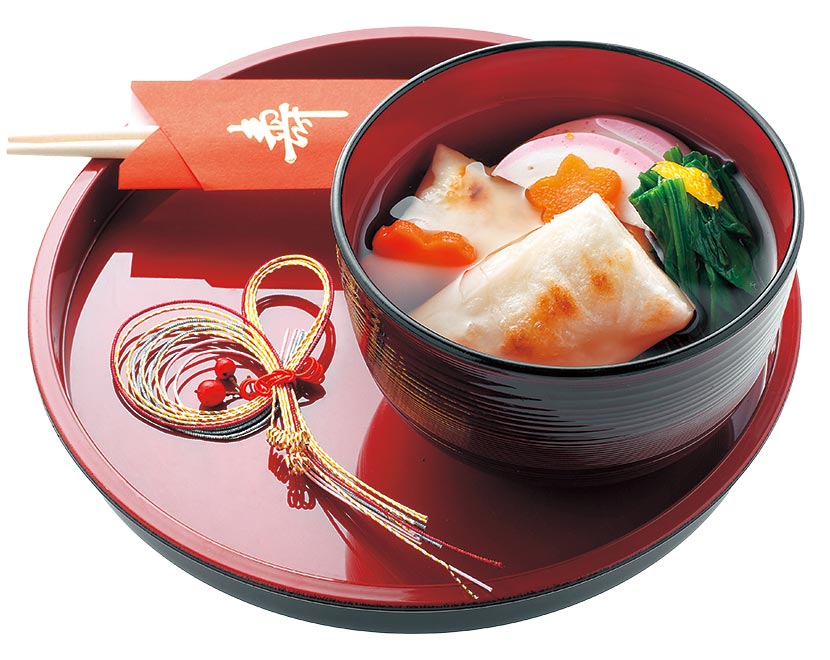
Over the first three days of January, families gather to enjoy osechi-ryori, a collection of auspicious dishes that includes tazukuri, made of small fish stir-fried in a sweet and savory sauce symbolizing a bountiful harvest, and herring roe, which represents wishes for the prosperity of future generations. Zoni (small photo right), a soup of mochi and other ingredients served in a warm broth, is another essential part of the New Year’s celebration.
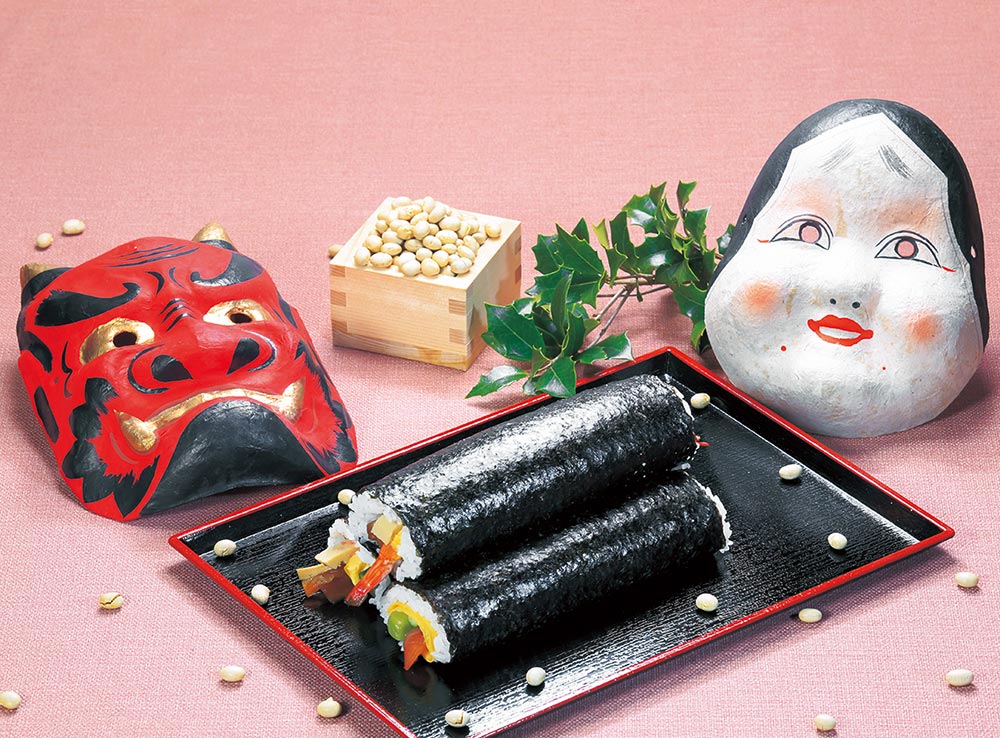
Around February 3, Japanese people celebrate the change of seasons by performing the mamemaki ceremony of throwing beans to drive away evil spirits. The day is also marked by eating thick ehomaki sushi rolls, filled with seafood and other ingredients. Eating in silence while facing that particular year’s auspicious compass direction is said to ensure that good fortune does not slip away.
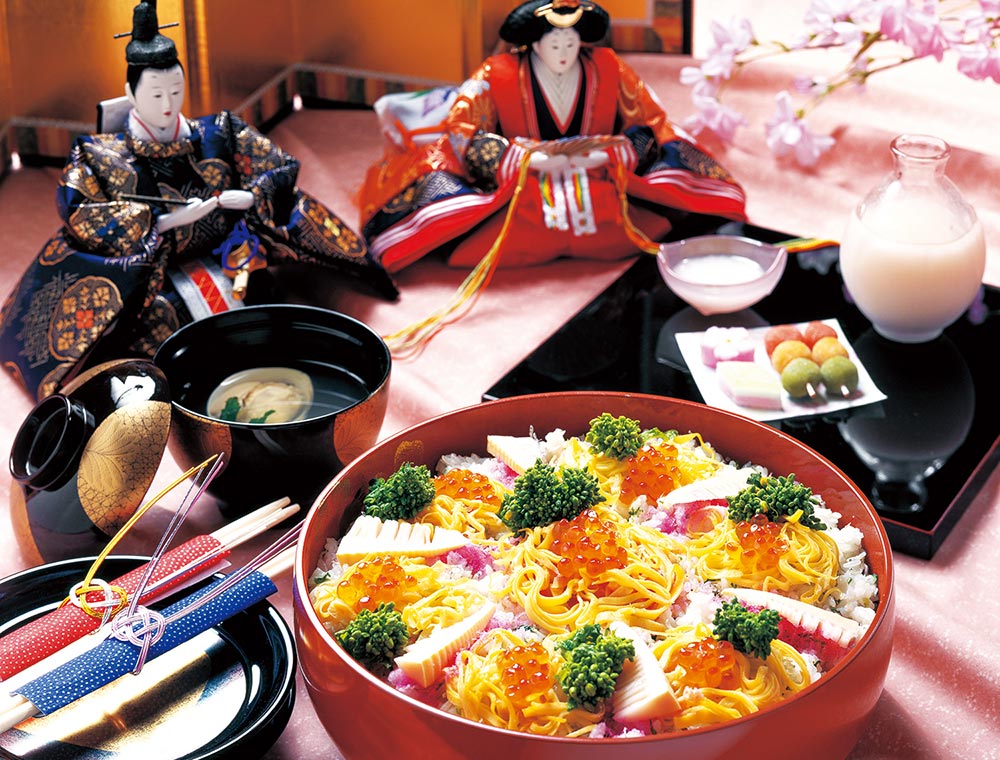
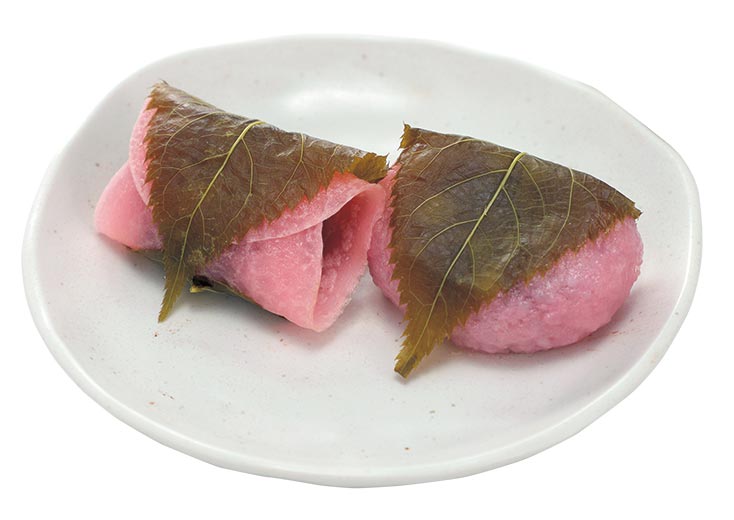
On March 3, displays of hina-ningyo dolls and peach blossom decorations convey wishes for the healthy growth and happiness of girls. The menu for the day adds festivity to the Girls’ Day festival with the spring colors of chirashi-zushi, a dish of seasoned sushi rice topped with colorful ingredients; hamaguri no osuimono, a clear clam soup where paired shells symbolize good fortune; and sakura mochi, a tasty treat wrapped in cherry blossom leaves.