

2026 NO.39
Menu

Celebrating with Food in Japan

Preparing Spaces for Seasonal Celebrations
Tableware and decorations imbued with auspicious wishes and special meaning make tables look more vibrantly festive and food taste even more delicious.
Photos: PIXTA
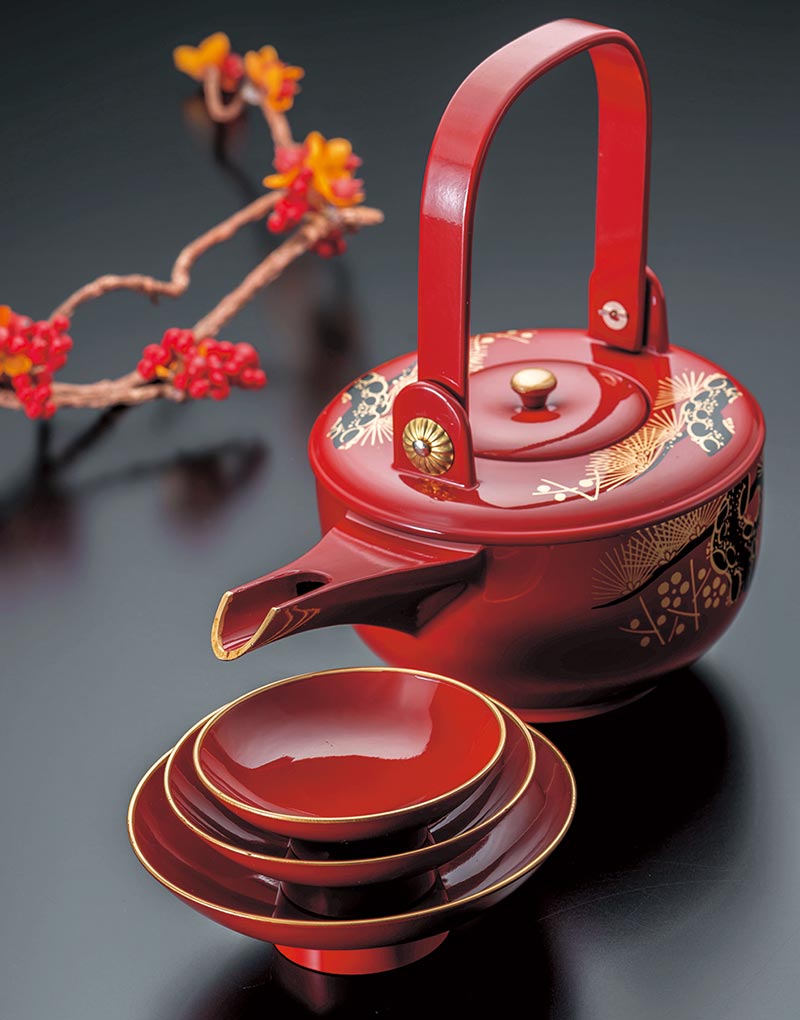
These vessels are used to serve toso (medicinal sake) drunk during the New Year to pray for good health and longevity. The set includes a choshi sake vessel with a spout and a mitsugumi sakazuki set of three sake cups of varying sizes. People toast one another’s good health, passing and sipping from the small, medium, and large cups in turn.
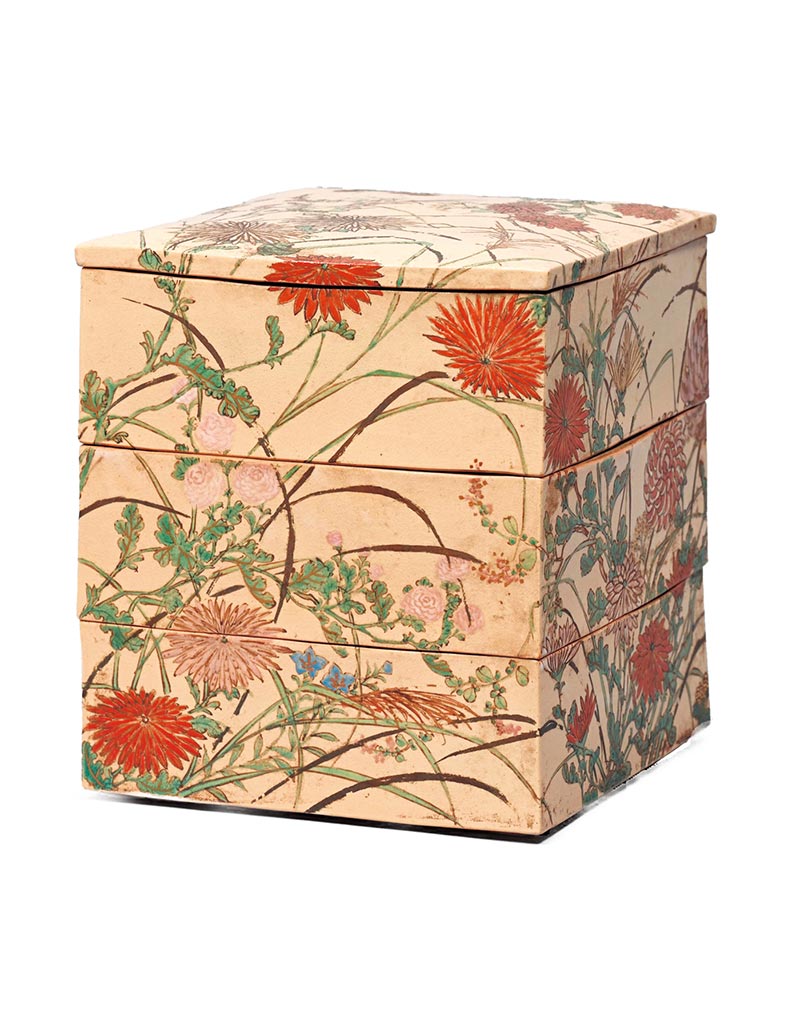
A traditional stackable Japanese box-shaped tableware with lids used for stacking and serving food. Their stacked design symbolizes the accumulation of good fortune. Used to hold New Year’s osechi dishes, cherry blossom viewing bento, and other special meals, jubako fill the air with a festive spirit. (Photo: Fujina Ware, autumn grasses design in overglaze enamel, Colbase)
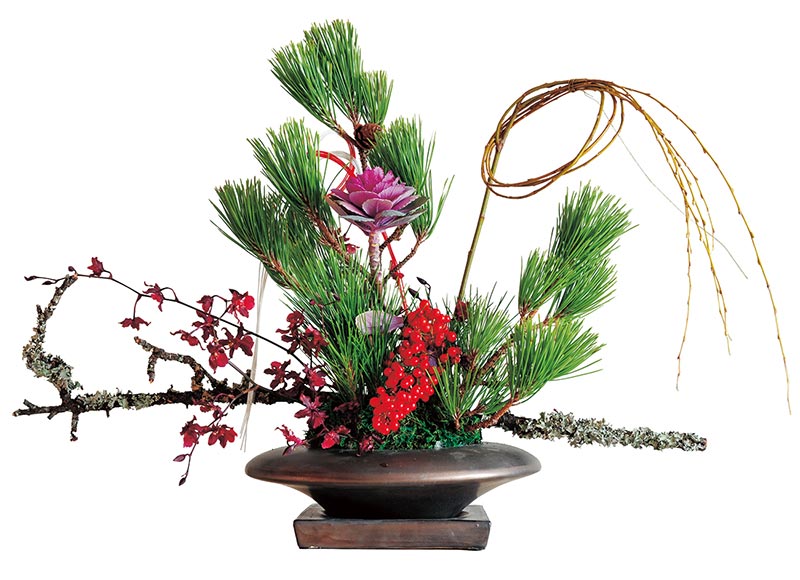
Flowers and plants considered to bring good luck are selected to decorate celebratory occasions. The New Year’s floral arrangement pictured here features pine, a symbol of longevity, and nandina, also known as heavenly bamboo, which is said to ward off misfortune.
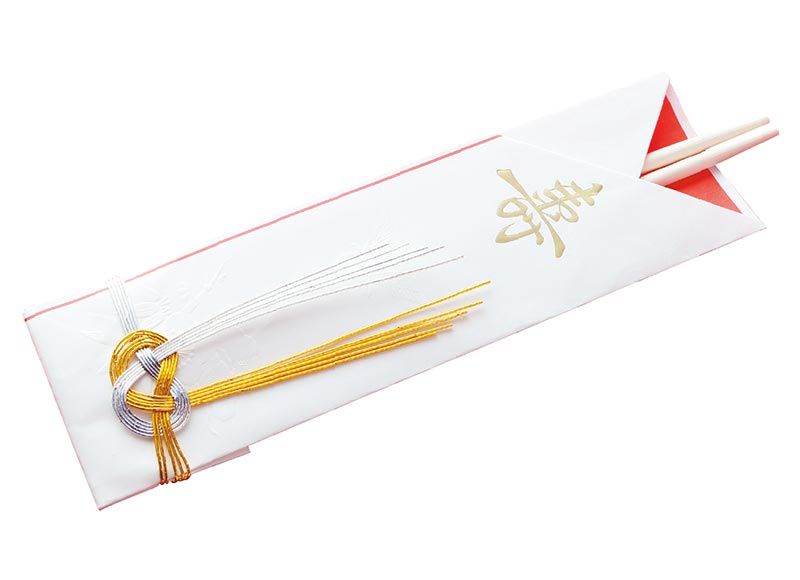
Ryokuchibashi (Double-ended chopsticks) are used at celebrations such as New Year's and weddings. Made from willow, a wood believed to ward off evil spirits, these chopsticks are tapered at both ends to symbolize humans and gods sharing the same meal.
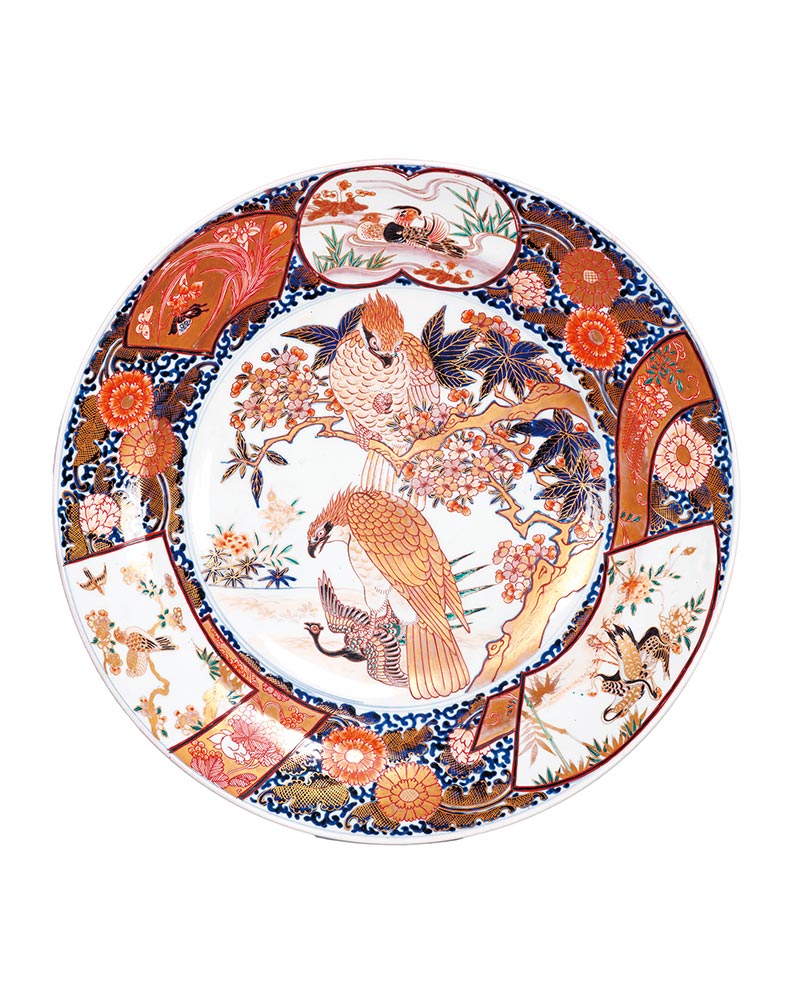
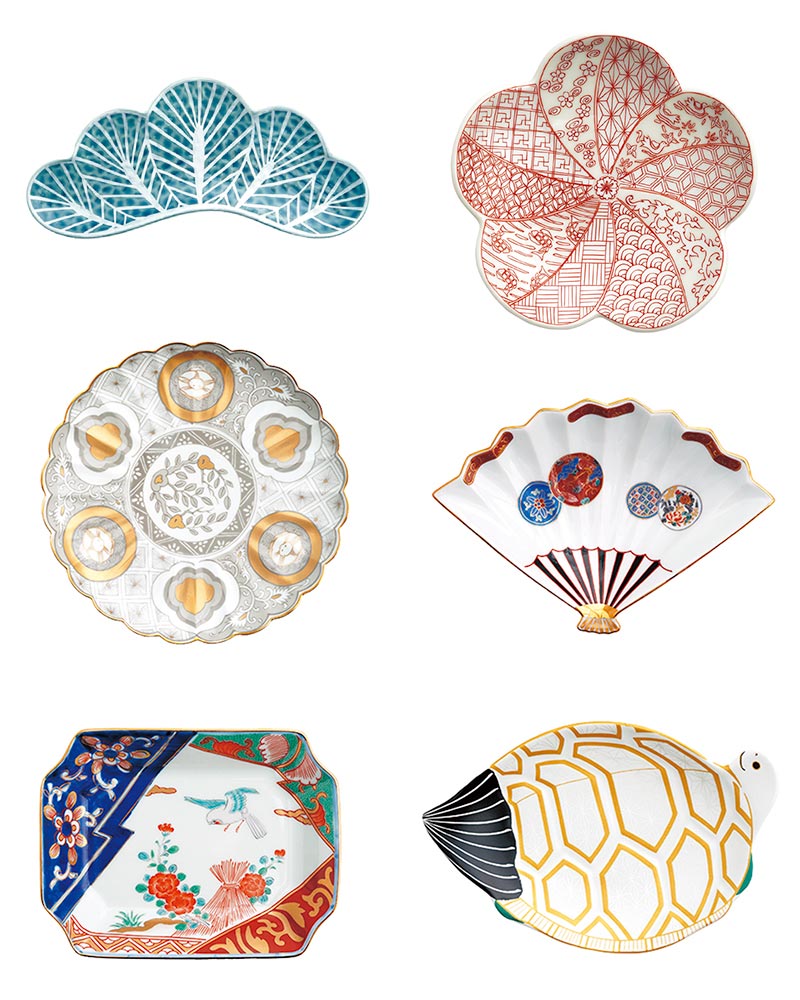
A variety of plates in vibrant colors and unique shapes create a striking impression on a festive table. Large plates called ozara, decorated with auspicious patterns in vivid colors, are used to serve whole fish, sashimi, and chirashi-zushi. Portions are taken from the ozara and placed on small individual plates called kozara, which are also often decorated with pine trees, turtles, fans, and other auspicious motifs. (Photo: Ozara (large plate) with cherry blossoms and eagles by Colbase; kozara (small plates) by Tachikichi)
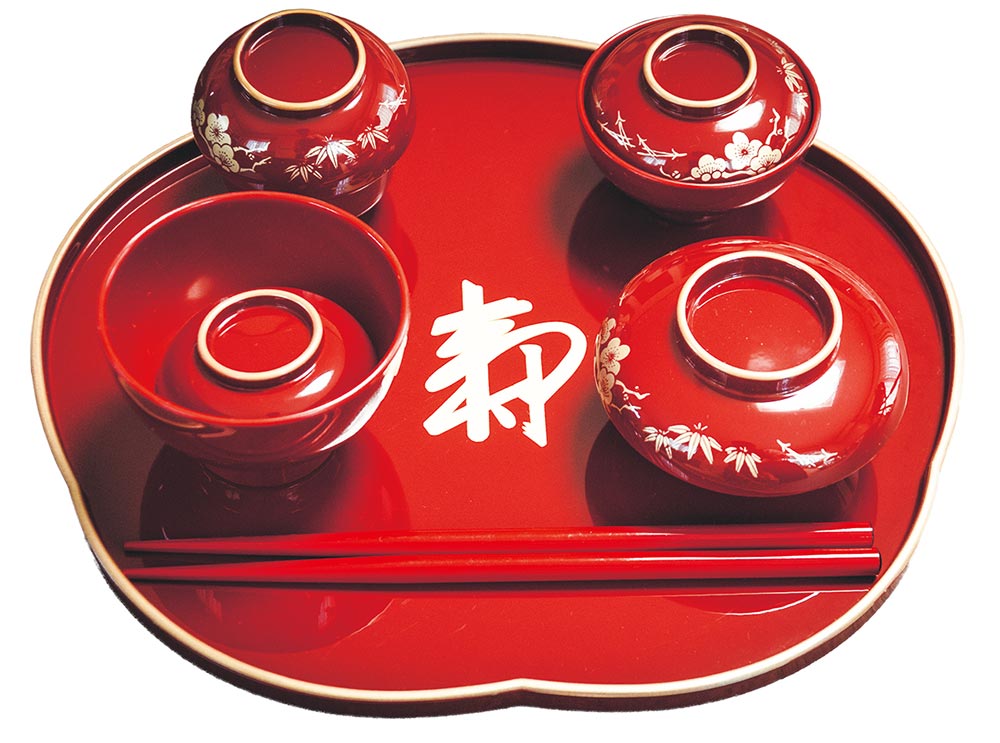
Much of the tableware for festivals, seasonal events, and other celebrations is lacquerware, which due to its durability symbolizes good luck. The lacquerware pictured here is used in the Okuizome ceremony, a rite held to celebrate a child’s 100th day of birth by pretending to feed them their first meal. The set includes a child’s meshi-wan rice bowl, shiru-wan soup bowl, hirazara flat plate, and fukazara deep dish.
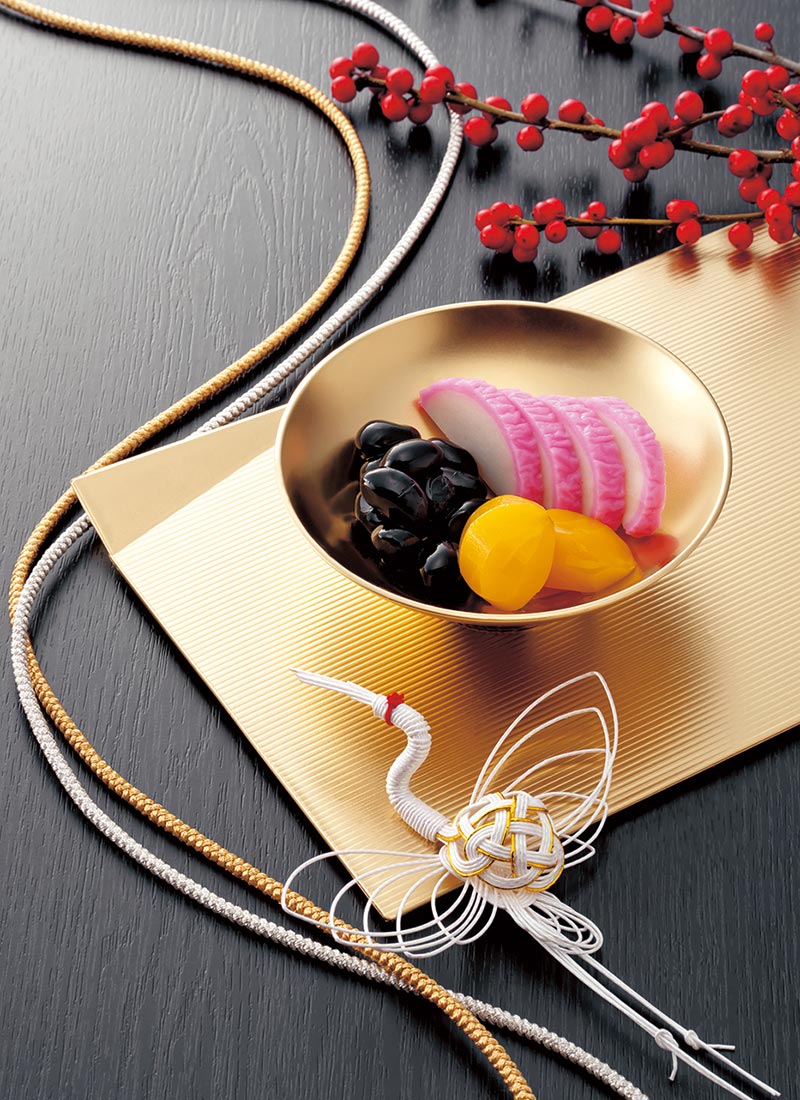
A decorative cord made from hardened washi paper twisted into a string, colored gold and silver, used to tie ceremonial envelopes or gift wrapping. They can be shaped into auspicious cranes to decorate celebratory tables.