

2026 NO.39
Menu

Celebrating with Food in Japan

How Rice Brings Color to Japanese Celebrations
A staple of the Japanese diet, rice has long sustained the way of life here. The rice stalk, each one offering a multitude of grains, signifies prosperity and has become a prayer symbol standing for abundance and longevity. This sentiment is expressed in celebrations, and an array of food made from rice is traditionally served on auspicious occasions.
Photos: PIXTA
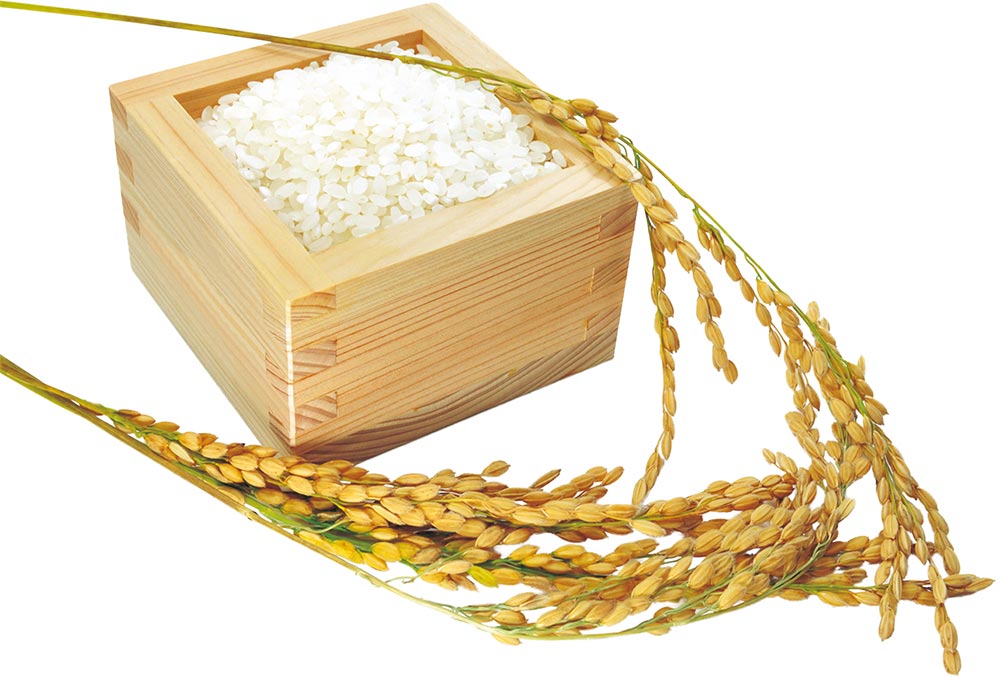
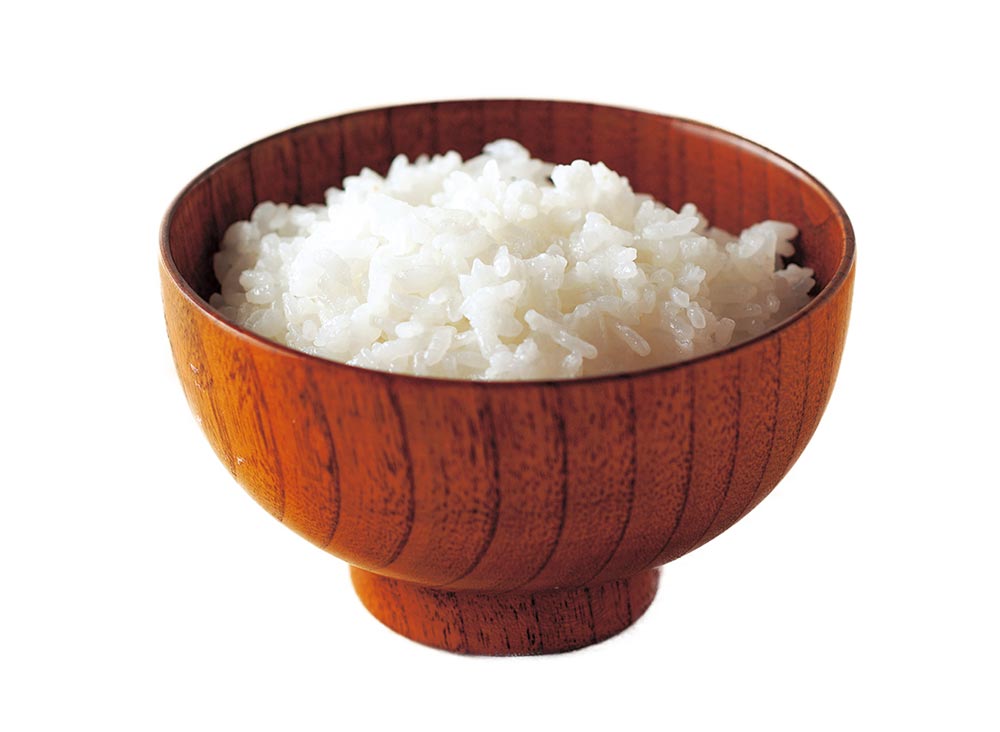
Polished grains of white rice steamed to fluffy perfection have a lustrous sheen and a sweet, toasty aroma that stimulates the appetite. Japanese rice is known for its chewy texture and intense, mouth-filling umami flavors. Although white rice is a part of everyday meals today, it was once a special treat that commoners were only able to enjoy on special occasions.
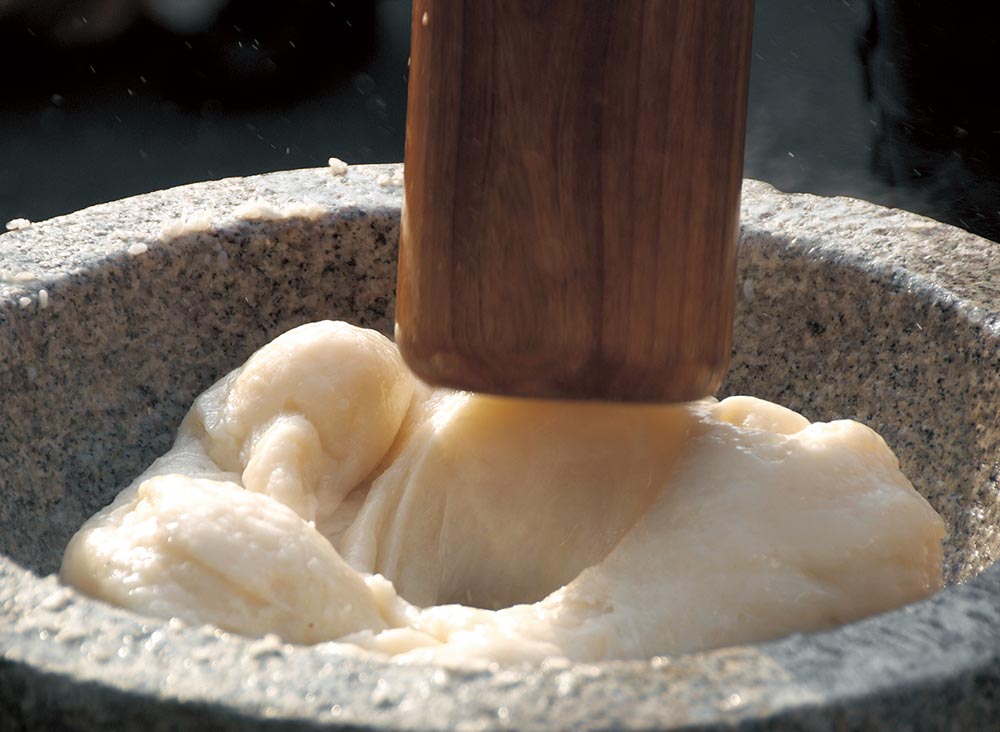
Mochi is a traditional Japanese food, made by steaming mochigome, particularly sticky glutinous rice, then pounding it with a wooden pestle to make it even chewier. Pure white mochi rice cakes are grilled or boiled and eaten to celebrate the new year.
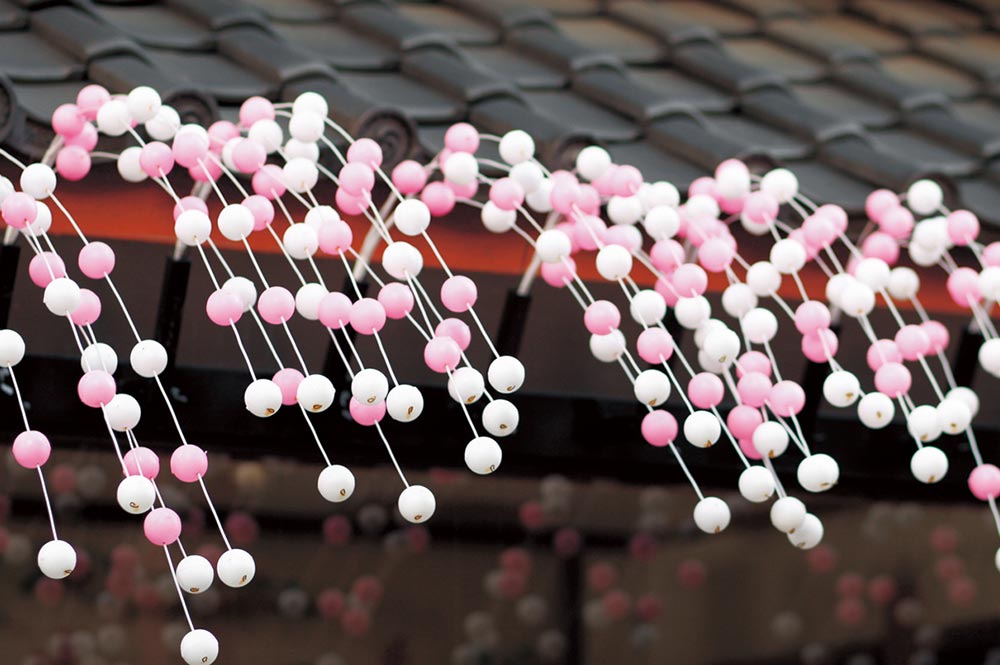
Mochibana (mochi flowers) are a Japanese New Year’s decoration with rice cakes dyed red or pink on branches of willow. These tiny “flowers” add color to New Year’s celebrations held in the depths of winter when flowers are not blooming and are symbolic of a longing for the new buds of spring and a bountiful harvest. When the celebrations end, the mochibana are removed from the branches, and typically eaten deep-fried in oil, or grilled.
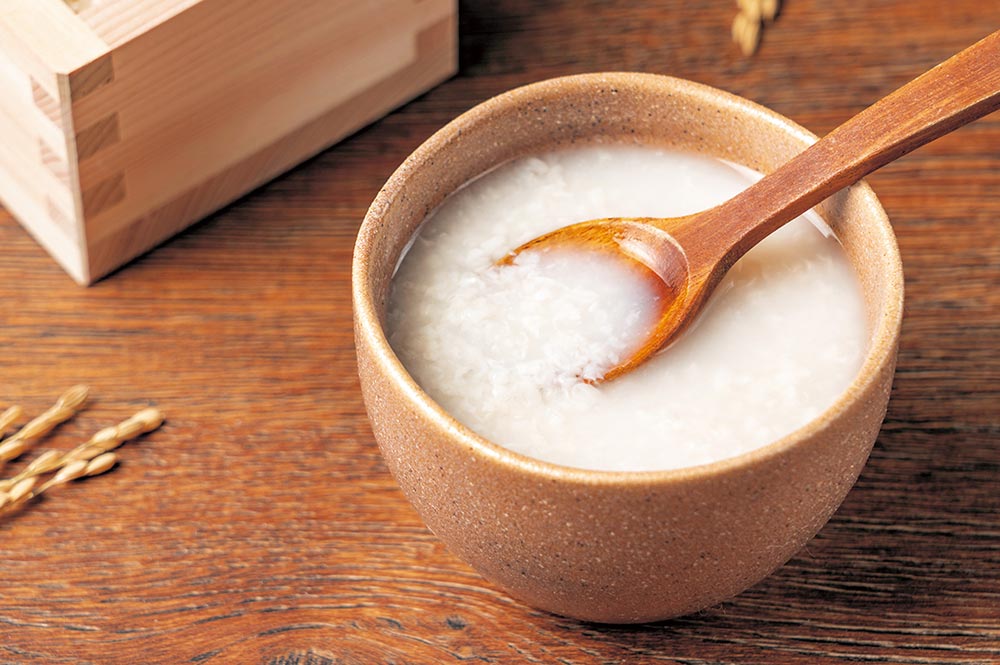
A sweet rice drink made from komekoji, a mixture of rice and koji mold, amazake is an auspicious beverage served at festivals and special events. Although called sake, the drink does not contain alcohol and can be served to children, as well. Today amazake is known as “the drinkable IV” due to its high nutritional value, and it is loved for its health and beauty benefits.
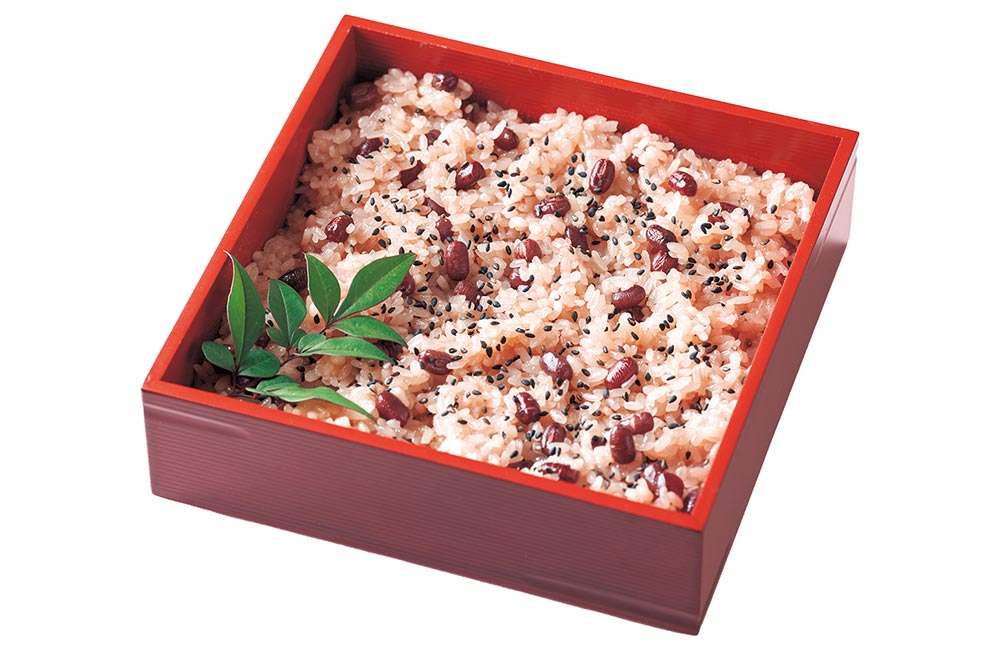
Long believed in Japan to have the power to ward off misfortune, the color red is traditionally featured at celebrations. Steamed mochigome with adzuki beans and cowpea, which take on a faint reddish hue, is still an indispensable part of celebrations in Japan today.
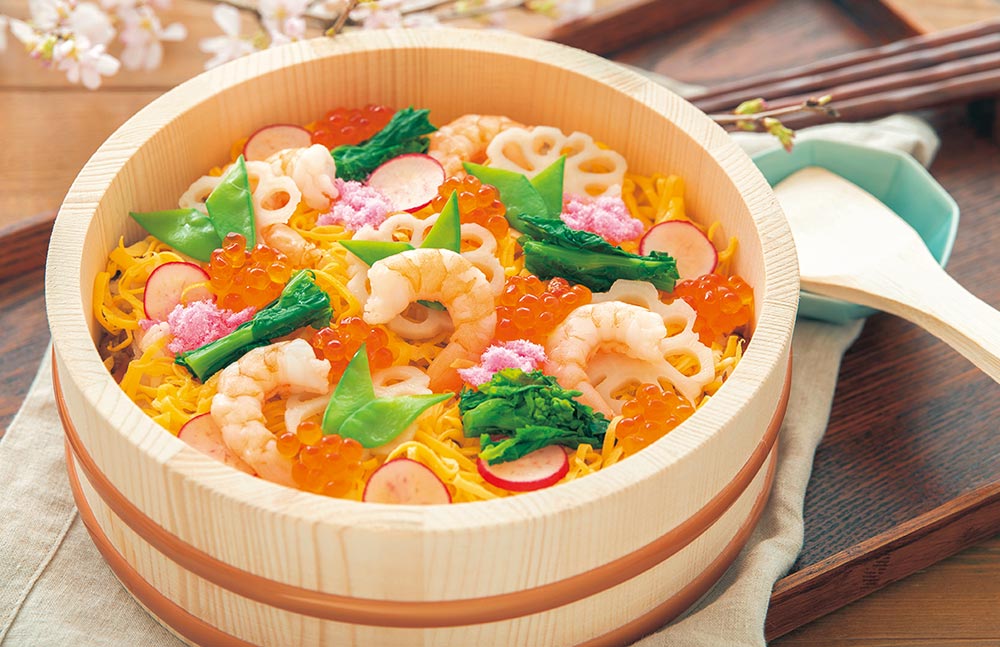
Sushi, the most well-known of Japanese dishes, comes in a variety of forms and is eaten in celebration of milestone occasions. Chirashizushi features colorful fish and vegetables scattered over sumeshi, rice seasoned with salt and vinegar. Sushi in this form adds a touch of elegance to occasions celebrating children’s milestones, such as the Momo no Sekku Girls’ Day Festival and the Shichi-Go-San rite of passage for three-, five-, and seven-year-olds.
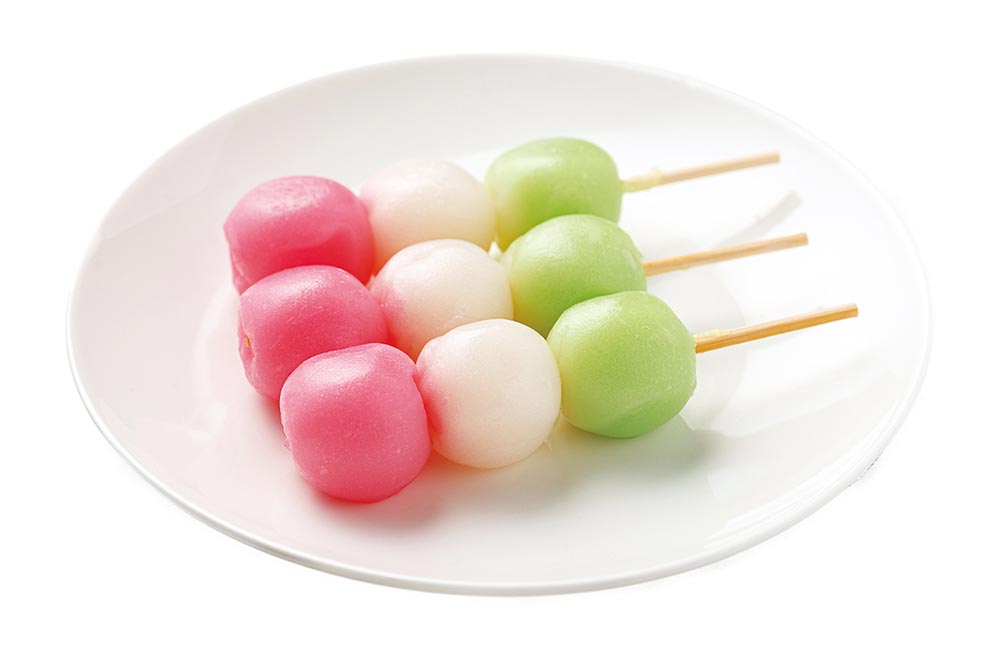
Dango are traditional dumplings made by adding water to rice flour to form a dough that is rolled into balls and steamed. San-shoku dango (three-colored dango) come in white, pink, and green, representing the seasonal landscape as snowmelt gives way to fresh green foliage. They are a beloved treat for spring flower viewing and to celebrate new beginnings like graduations and entry school.
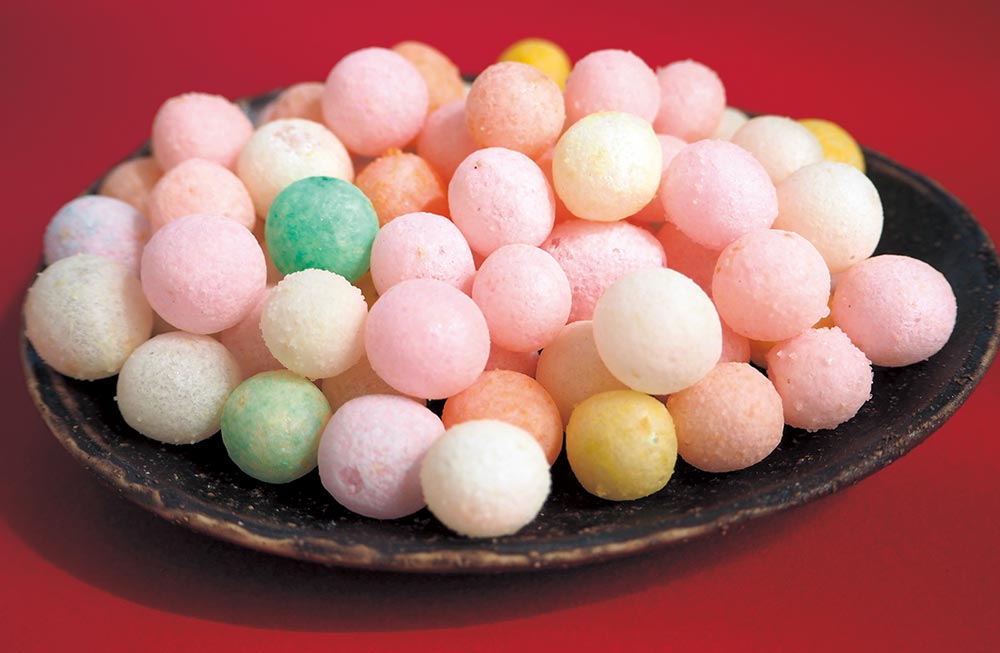
Mochigome or finely crushed mochi is roasted to create arare, elegantly decorated celebratory sweets. Oiri (pictured) is one type of arare. These traditional confections from Kagawa Prefecture are often presented as a wedding favor.