

Attracting Attention Worldwide: The World of Matcha

Matcha is a fine powder made by steaming and drying tea leaves and then grinding them with a pestle and mortar. Matcha powder is stirred into hot water to create a drink that has been enjoyed in Japan since the 13th century. Now matcha isn't just confined to Japan, with matcha lattes and confectionery such as cakes, macarons, chocolates and other desserts made using matcha enjoyed all over the world.
"Sado" (Tea Ceremony): An Art Form That Epitomizes Japanese Culture and Spirituality
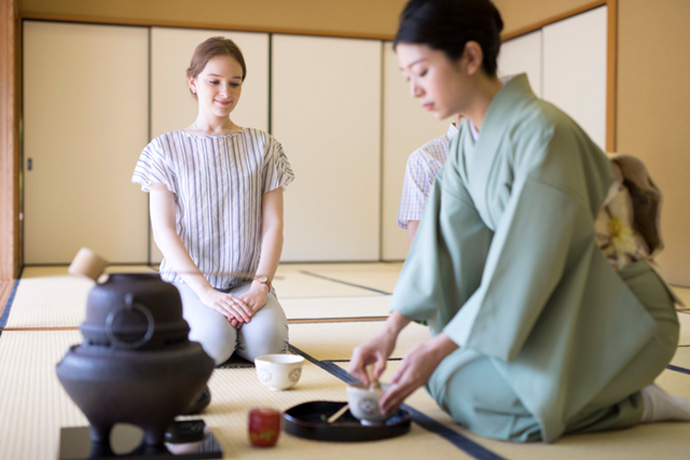
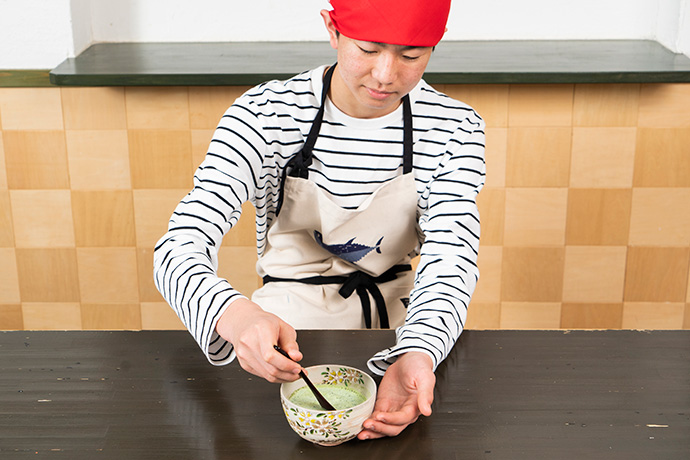
In Japan, matcha is not just a drink. The tradition of sado, in which matcha is served as part of a traditional and entertaining ceremony, has been passed down for generations. The master of the tea ceremony uses a whisk-like utensil made from bamboo called a "chasen" to stir the matcha and hot water together in a small bowl called a "chawan," and serves it to the guests. But it's not just about the rich flavor of the tea. It's the fusion of lots of different elements, including a beautifully maintained garden and tea room, the tea utensils, the dishes and traditional Japanese sweets served with the tea, the flowing hand movements and etiquette, and the element of hospitality, that elevates sado into the realms of art. It's an art form that is filled with Japanese culture, tradition and heart.
Matcha Is Incomplete Without These Seasonal Sweets
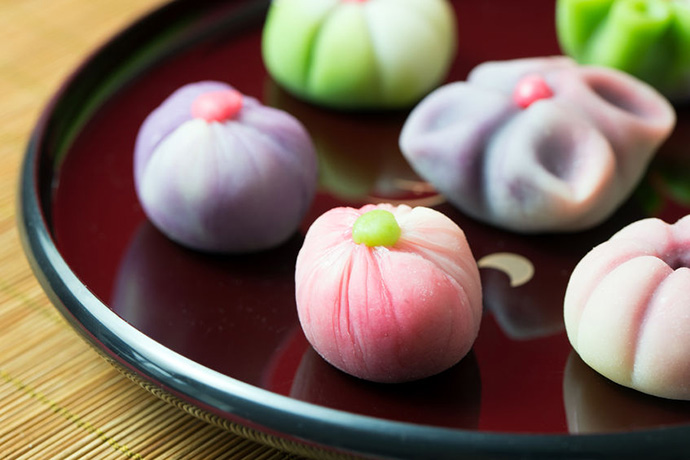
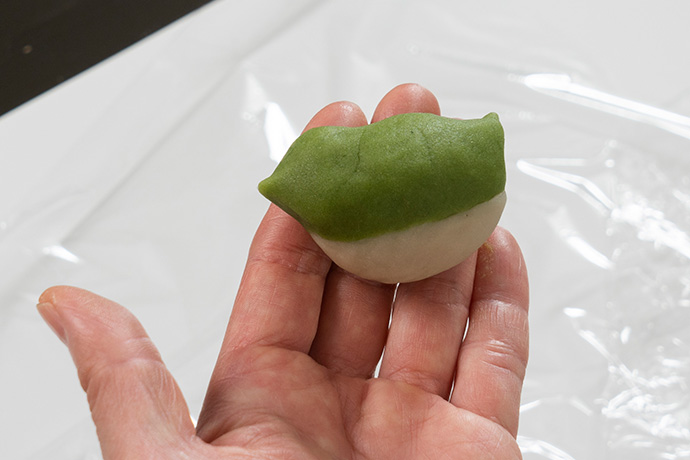
The exquisite Japanese sweets known as "jonama-gashi" are part of the fun of matcha. These Japanese sweets are top-class confectionery made with great skill using traditional techniques, and served in the tea room.
Japan has four distinct seasons and as these seasons change, so do the colors, plants and animals found in the surrounding natural landscape. In Japanese culture, the changing of the seasons is an idea that is cherished. The jonama-gashi reflect the subtle changes of the passing year, and are a feast of the eyes.
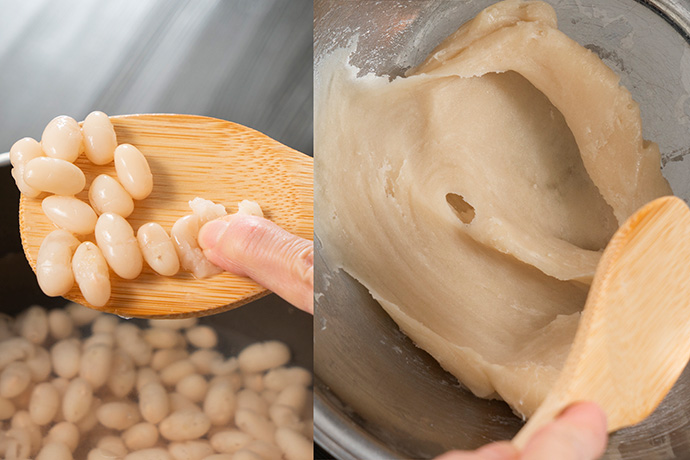
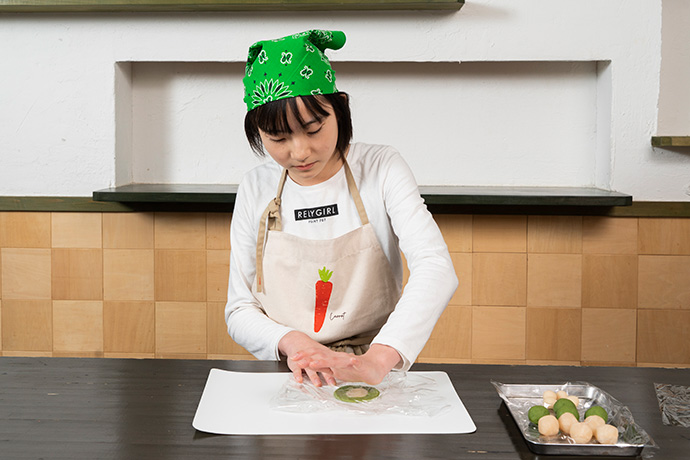
A sweet white bean paste called "shiro-an" is required to make jonama-gashi. Shiro-an is made up of boiled and crushed navy beans mixed with sugar. This is then mixed with flour or mochi flour, heated, and kneaded with sugar to create a dough called "konashi" or "nerikiri" that can be used in a similar way to marzipan in the West. This dough can be used to make lots of colorful shapes associated with nature, like flowers and birds. When coloring the dough, a mold known as "benikoji" is used to make red, beets are used to make pink, gardenia is used to make yellow, and bamboo charcoal is used to make black. Matcha can also be used to make beautiful and delicious, green jonama-gashi. In the tea ceremony, the crisp, bitter flavor of the matcha enhances the soft texture and sweet taste of the jonama-gashi.
Matcha Drinks and Sweets Are Popular All over the World
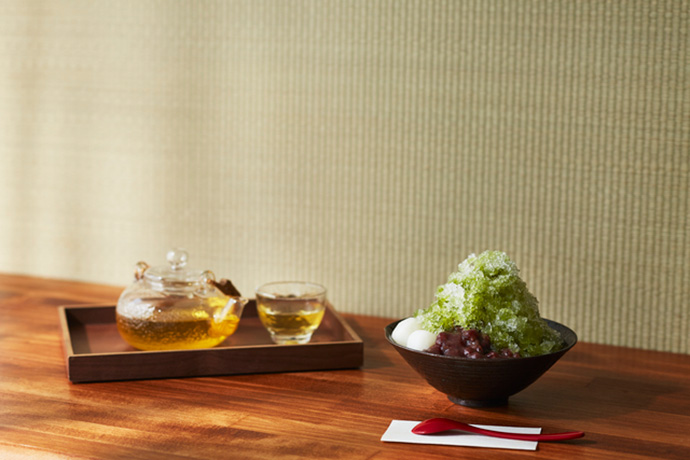
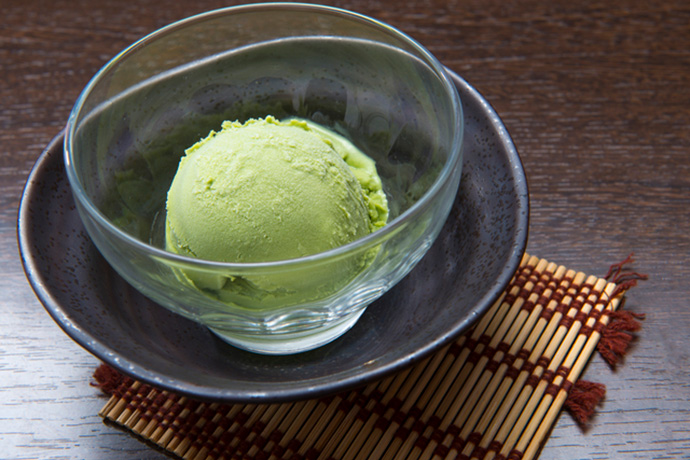
Today, matcha has completely permeated the day-to-day lives of Japanese people, and is now something that can be freely enjoyed in the form of drinks and sweets. It can be made into a syrup and poured over "kakigori" shaved ice, or mixed with fresh cream to make ice cream. Its mellow, deep richness, slight bitterness, and refreshing aroma is unique. It's also very good for health and beauty, as it is full of vitamins, catechin and theanine, not to mention its beautiful color. People in countries all over the world are fascinated by this amazing ingredient. The matcha latte, made by mixing matcha and milk, has become a staple of trendy cafes the world over. World-famous patissiers have also enchanted people with a variety of green tea treats. And this matcha boom will surely only keep on growing across the globe.
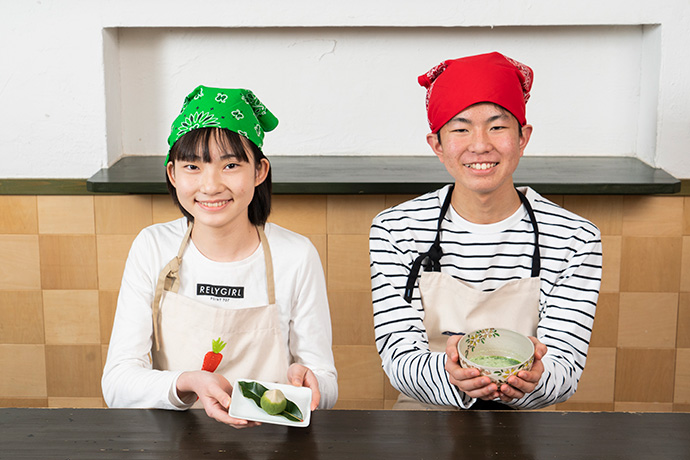
Matcha Drink Recipe
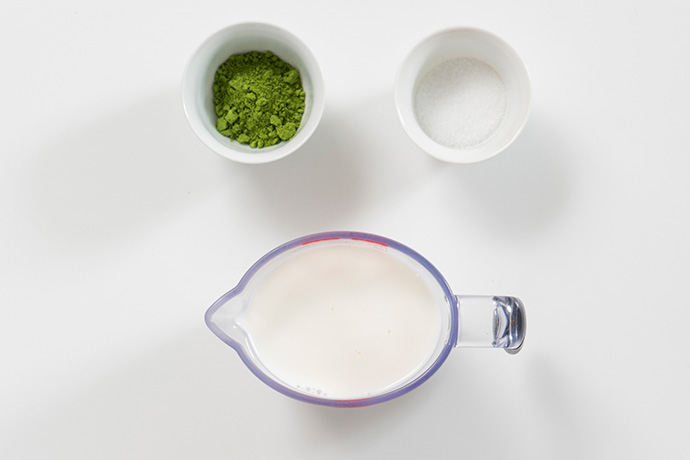
• Ingredients (1 drink)
- 180 ml milk
- 3 g matcha powder
- 6 g granulated sugar
• Method
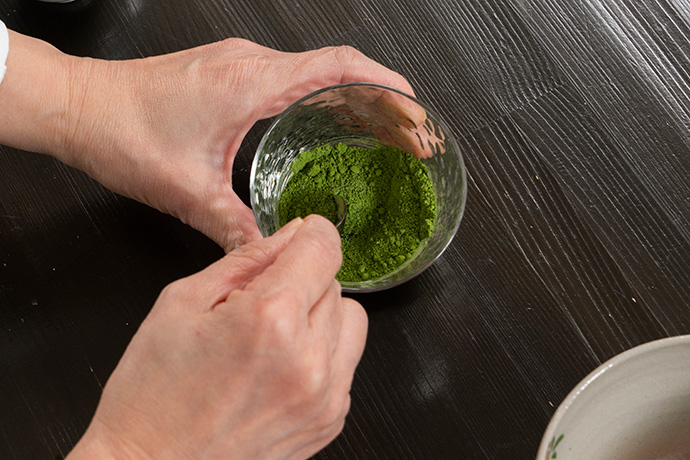
1. Mix the Dry Ingredients
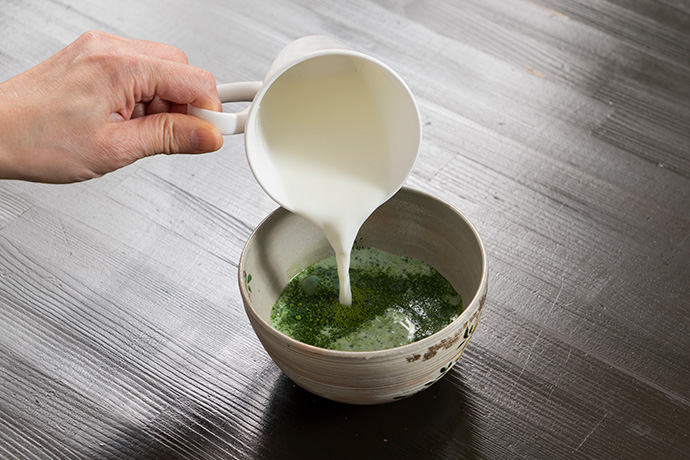
2. Mix in the Milk
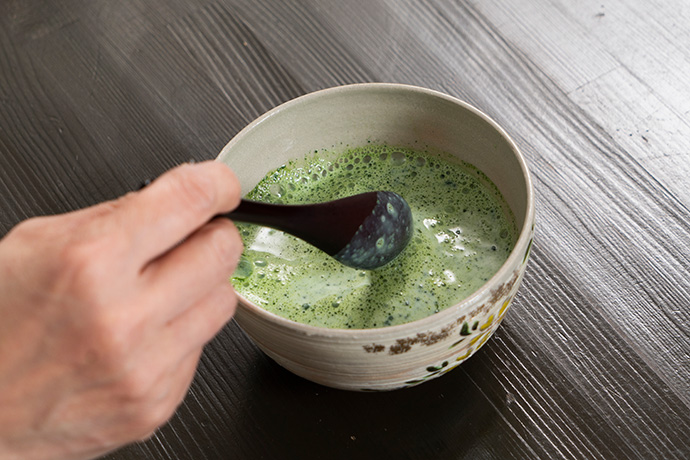
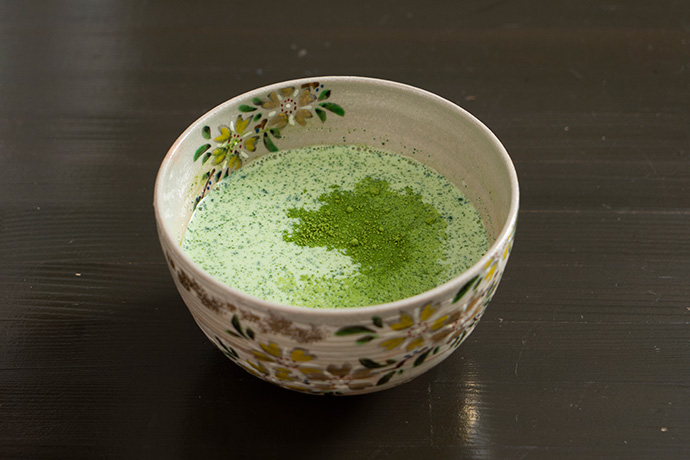
Recipe by Tsukuda Sachiko from Wagashi Kunpu