

Taking Rice to the Next Level — "Shaké-ben" (Salmon Bento)

Spring is the begining of the new school year in Japan. Just as the cherry blossoms begin to bloom, bento lunch boxes start to pack the shelves of household goods stores. They come in all shapes and sizes — from small ones for young kids, to extra-large ones for those with hearty appetites. You can buy ones with one, two or three tiers, round or square-shaped, decorated with cartoon characters, cute floral patterns or simply all-black. Just browsing all the different options is fun!
On top of that, you can buy chopsticks with matching cases, cloths and bags to wrap the bento boxes in, cocktail sticks for eating side dishes, wrapping paper for onigiri rice balls and sandwiches... You'll be spoiled for choice!
It's clear that Japanese people are very passionate about packed lunches.
Traditional Japanese Bento Boxes Are as Loved as Ever
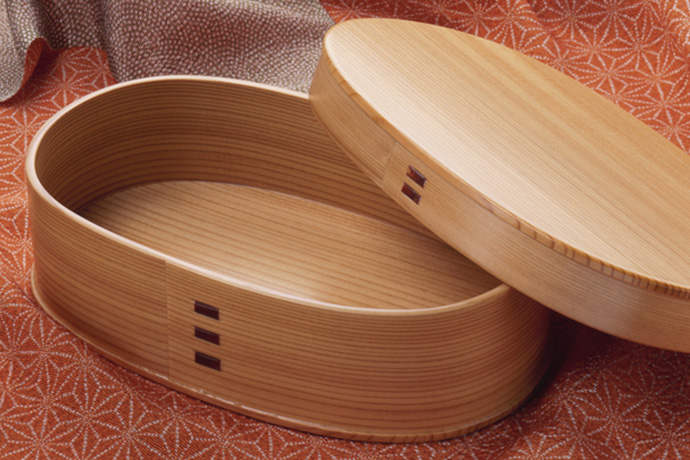
Bento boxes are mostly made of plastic or stainless steel these days, but there's one type of lunch box that has been used for more than 400 years. "Magéwappa" is a type of circular bento box made by bending thin sheets of Japanese cedar or cypress wood, joining them together with cherry tree bark and adding a base. The wood absorbs just the right about of water to keep rice deliciously soft and fluffy without becoming soggy. Japanese cedar and cypress trees have antibacterial properties, so they keep the food from going bad on hot and humid summer days. "Magéwappa" are more expensive than plastic or stainless steel bento boxes, and require a little more maintenance, but they can last for decades if you take good care of them.
Above all else, bento lunches look extra tasty when packed inside a magéwappa!
Salmon, Seaweed and Pickled Plums — Perfect Partners for Rice!
Japanese people just love rice, whether it's served hot or cold. This is why the magéwappa has been loved throughout the ages, as it keeps the rice perfectly soft and fluffy.
It goes without saying that the side dishes used in bento boxes need to go well with the rice. A typical example is salmon and dried seaweed paired with "uméboshi" — surprisingly sour plums pickled with red shiso leaves in a salty brine. Bento lunches with these ingredients are so commonplace that they even have special nicknames. Grilled salmon on top of rice is called a "shaké-ben" (salmon bento), grilled seaweed dipped in soy sauce and spread over rice is called a "nori-ben" (seaweed bento), and uméboshi plums placed in the center of rice is called a "hi-no-maru bento" (Japanese flag bento), because of how it resembles the Japanese flag.
One of the most popular bento sides is salted salmon.
Japanese supermarkets sell fresh and salted salmon, both of which are an everyday food in Japan. The salting process removes moisture and helps the salmon keep for longer, while also giving it a more concentrated flavor. In the past, salted salmon was a popular gift for special occasions. It can simply be grilled or pan-friend without the need for any extra flavoring, and really takes your rice to the next level. No wonder it's a firm favorite with Japanese people, who typically love their rice!
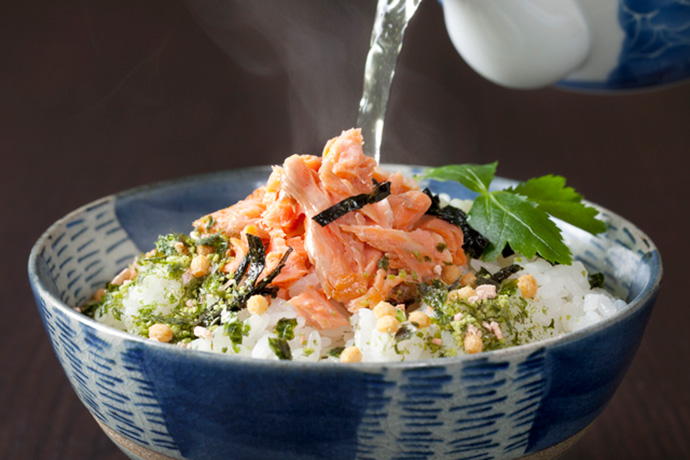
Salted salmon can be enjoyed in many ways: as a side dish with breakfast or bento boxed lunches, broken into pieces as a filling for "onigiri" rice balls, or as a topping for "ochazuke" — a dish made by pouring green tea or fish stock over cooked rice. Salted salmon comes in lightly salted, medium, and very salty varieties, depending on how you like it. Some people prefer lightly salted for their breakfast, and very salty for onigiri.
How You Fill It Can Change the Flavors
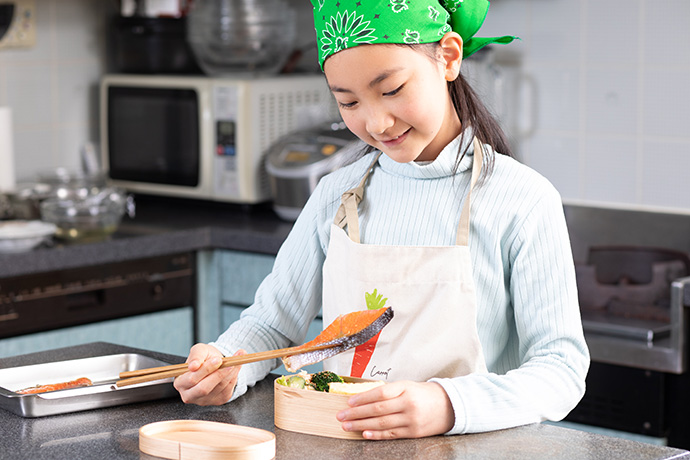
It's worth paying attention to how you fill your bento box — for instance, adding green or red to balance out browns and yellows. Sometimes it helps to put things in their own little cups or separate them with salad leaves so that their flavors don't affect the nearby side dishes. Or you could position them so that it won't matter if things do get a little mixed up. Since bento boxes are made for carrying with you while out and about, it's best to pack them all the way to the edges so that a little bit of movement won't cause a mess. The goal is to make it both look and taste great!
Communication Between the Cook and the Eater
Neatly packing the rice and the sides together is one thing, but some people go one step further and use their bento box as a sort of artistic canvas. Creating "kyara-ben" (character bento) involves decorating rice balls and sides using seaweed, black sesame and various other ingredients to make them look like anime characters or fun illustrations.
These designs could be something cute to please a kid, something unique to give an adult a good laugh, or even spell out messages like "good luck!" It's all a way for the person who cooks to show off their playful side and imagination. For Japanese people, bento lunches aren't just a meal you can take with you — they're a way for the person who made it to communicate with the person who will eat it.

Opening your bento box is a little pleasure you can look forward to each and every day. Wondering what's inside or what kind of bento you'll be eating today is all part of the fun! Finding your favorite side can put a spring in your step and give you a little boost to carry you through the afternoon.
Shaké-ben Recipe
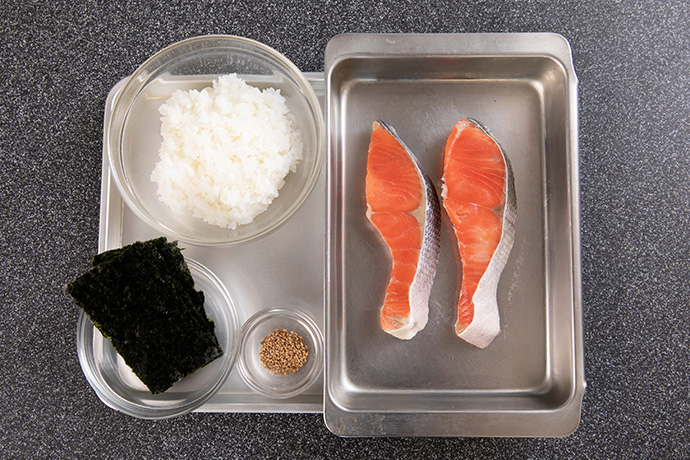
• Ingredients (2 portions)
- 2 cuts of salted salmon (1 to 2 cm thick)
Note: If you don't have salted salmon, lightly salt both sides of the salmon. - A small amount of oil
- A good portion of rice
- 1 to 2 sheets of nori seaweed (cut to around the same size as the salmon)
- Some white sesame seeds
- Some leafy vegetables
- Some broccoli
Any other ingredients you want to include
- Potato Salad
- Tamagoyaki
- Potato Salad: Japan's Universal Love of "Potésala" (Potato Salad)
- Tamagoyaki: A Taste of Home — Tamagoyaki
• Method
1. Grill the salmon
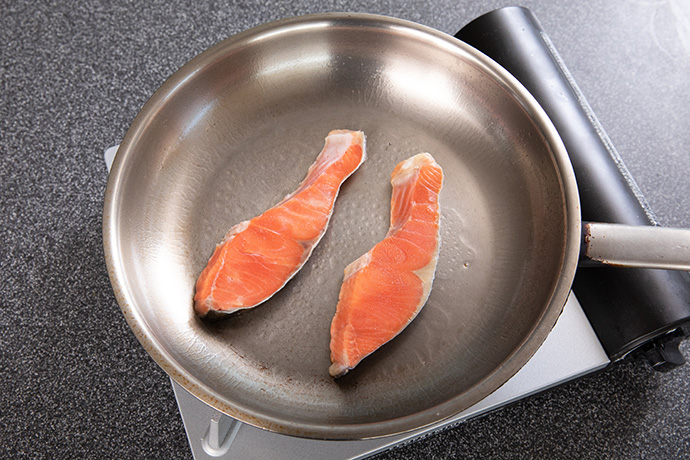
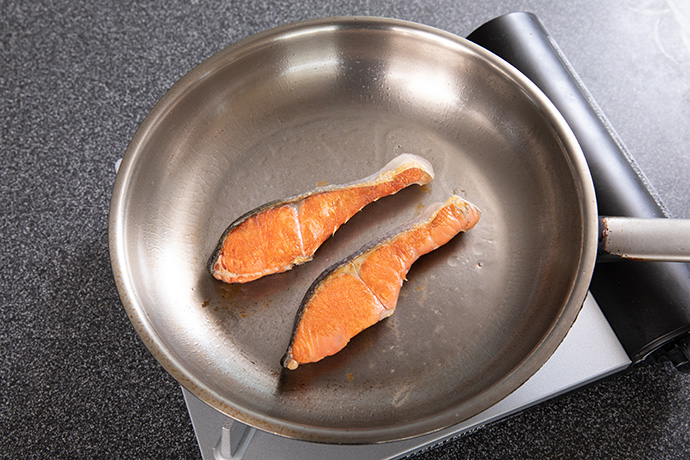
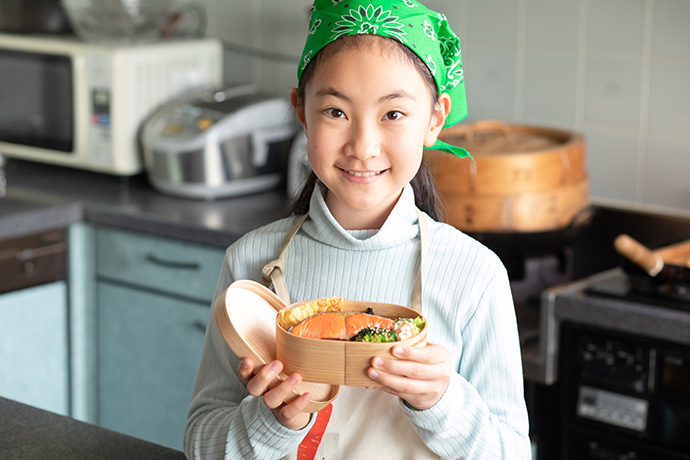
2. Fill the bento box
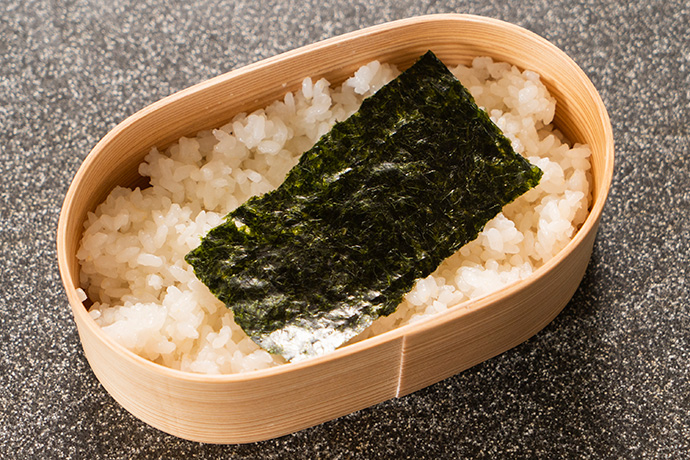

- Tamagoyaki: A Taste of Home — Tamagoyaki
- Potato Salad: Japan's Universal Love of "Potésala" (Potato Salad)
Recipe by Ogino Kyoko