

Vegetables and Noodles with a Sweet-and-Salty Sauce

Japan is often thought of as a rice-loving country, but noodles have also been a Japanese favorite since the olden days.
"Soba" are a type of noodles made by mixing water with buckwheat flour. Soba is traditionally used in "toshikoshi soba" (New Year noodles), a dish eaten on December 31st to ward off misfortune and wish for longevity in the year ahead. There are also noodles made from ordinary wheat flour, which go by a lot of different names depending on their thickness and the region of Japan: noodles about 5 mm wide are called "udon," thinner types are called "hiyamugi" or "somen," and there are also thick, flat types of noodles like "kishimen" and "hoto." Even if you look at just one type of noodle, like udon, it will be made differently and have a different thickness and texture depending on where you are in the country — they can be stretchy and springy, very chewy, or extremely soft!
People in areas where buckwheat is grown make soba noodles, while people in areas where wheat is grown make wheat-based noodles. Over time, each region of the country has combined these noodles with specially flavored broths, local vegetables, fish and meat to create its own unique noodle dishes.

Sauce Yakisoba: All You Need Is a Frying Pan
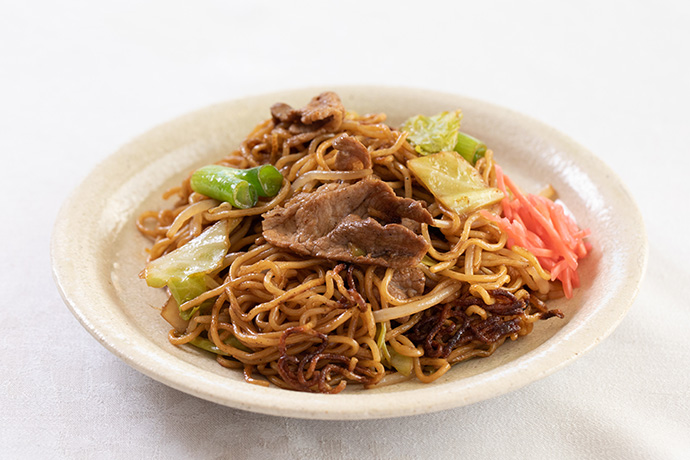
Japanese food culture has constantly evolved by taking different dishes from around the world and adapting them to suit Japanese tastes. Stir-fried noodle dishes made with fried meat and vegetables, which are common in China and a lot of other Asian countries, were brought to Japan and adapted into a common home dish called "sauce yakisoba."
Sauce yakisoba is made with Worcestershire sauce. Although Worcestershire sauce was originally created in the UK by a company called Lea & Perrins, it too was adapted after reaching Japan, and now comes in a wide range of different varieties. There are sweet versions packed with fruits and vegetables, spicy versions made with a mixture of spices, and a range of different consistencies, from thin to thick. There are even powdered versions, too. There's a type for every dish or preference, each with a different balance of aroma, sweetness, sourness, and richness. With all the different varieties on offer, it's no wonder Worcestershire sauce is used in a lot of different Japanese dishes — from seasoning in stir-fries to pouring over fried meat and fish, or as a topping on "okonomiyaki" or other foods.

Supermarkets in Japan offer lots of pre-packaged sets containing steamed noodles and a perfectly matched sauce. All you need to do is stir-fry the noodles with vegetables and a meat of your choice, or seafood such as shrimp or squid, and then mix in the sauce to make sauce yakisoba. It's that simple — which is another reason why it's so popular!
In Japanese bakeries, you can also find sandwiches called "yakisoba-pan," made of sauce yakisoba sandwiched between a soft hot dog bun. You might think the idea of noodles and bread together is strange, but the bread and sauce are a delicious combination that work great together.


Festivals, Beaches — A Dish for Fun Times
Sauce yakisoba stalls are a common sight at summer fireworks displays and festivals, and it's also a go-to dish when camping. The rich and slightly spicy sauce flavor tastes extra delicious during the hot summer or after exercise. Pork, cabbage and beansprouts are common ingredients, and it's often topped with dried bonito fish flakes called "katsuobushi," which are also used to make stock, as well as a type of dried seaweed called "aonori" and red-colored pickled ginger called "benishoga." For Japanese people, sauce yakisoba is often served with a side of fun memories.

There are instant versions of sauce yakisoba that can be made just by adding hot water, as well as unique regional variations popular in different parts of Japan. They all use different noodles, ingredients, sauces and toppings, so you can have fun comparing all the different types!

Sauce Yakisoba Recipe

• Ingredients (2 portions)
- 2 bags of steamed yakisoba noodles
- 100 g pork (thinly sliced)
- 2 leaves of cabbage
- 1 bag (200–250 g) of beansprouts
- 1 spring onion
- 1/4 cup Worcestershire sauce
- Benishoga (red pickled ginger) for topping
- A little salt, pepper, and oil
• Method
1. Slice the ingredients

2. Fry the noodles


3. Stir-fry the ingredients


4. Season to taste

5. Dish up

Recipe by Ogino Kyoko