

From Fluffy to Famous: Japan's Nama Donut Craze
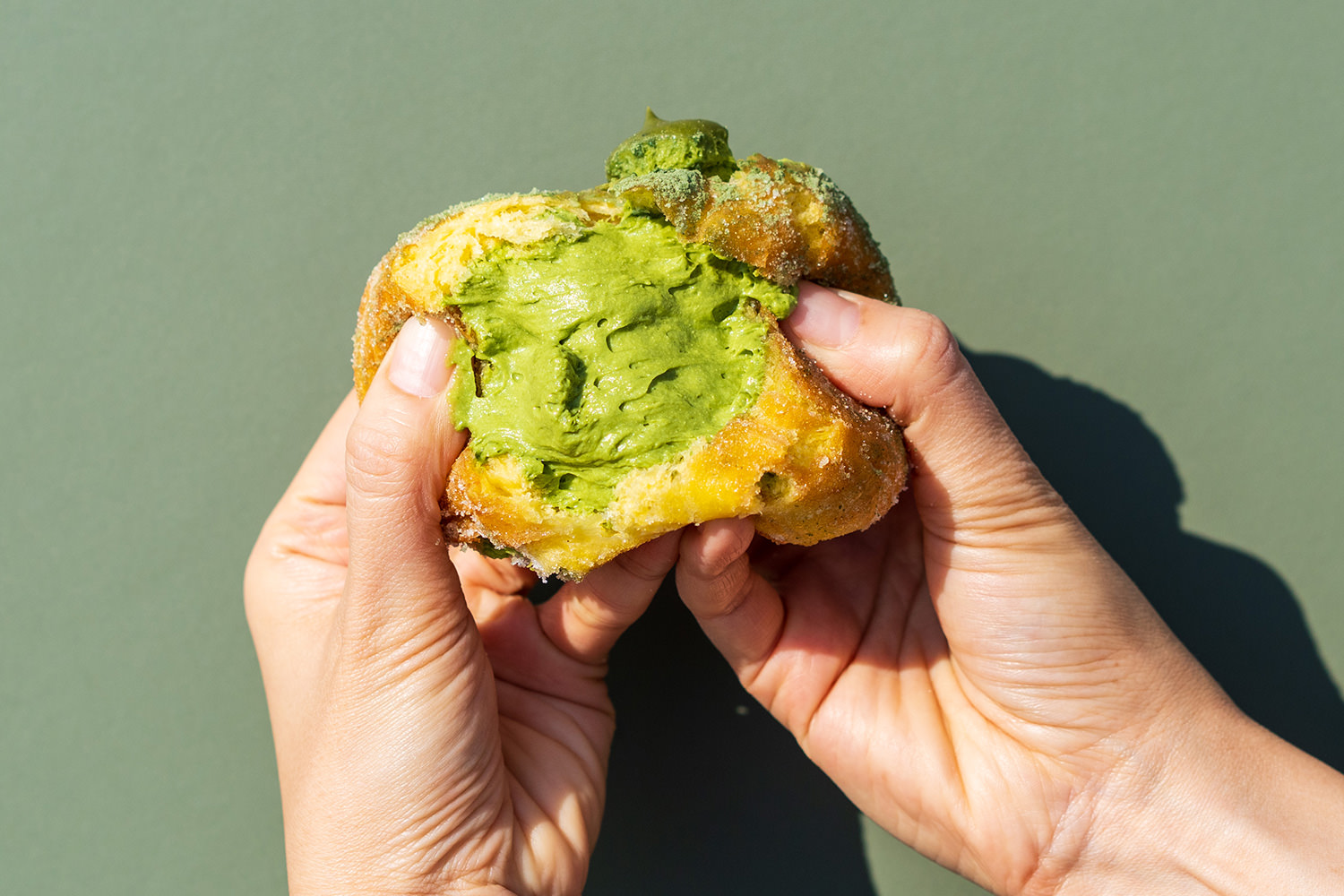
There is a new sweet craze sweeping Japan—nama donuts, a Japanese reimagining of the Western favorite. What started as a local treat has become a nationwide phenomenon, with customers drawn to their soft, cloudlike texture and cute, Instagrammable designs. More than just a trend, nama donuts also demonstrate how Japan reinvents familiar classics, updating them so they never feel stale.
Nama donuts are popular around Japan
Nama donuts are popular around Japan
Origins of nama donuts
First emerging nama donuts were created by Ryota Hirako, owner of a bakery. One day while making his usual assortment of breads, he experimented with frying a brioche dough and believed he had created an entirely new texture for a donut. He introduced them to the menu, and they became an instant hit.
Their overwhelming demand led him to launch a specialty store, which has since become Japan’s most viral nama donut brand. All of its Tokyo locations draw long lines every day, attracting customers with aesthetically pleasing, colorful designs and sweet flavors like custard and pistachio. A shop also offers unconventional varieties such as prosciutto, teriyaki egg, and keema curry. These savory options reinterpret what a donut can be: not just a snack, but a meal in itself.
Nama donuts come in all sorts of flavors, including savory ones like fried noodles.
Nama donuts come in all sorts of flavors, including savory ones like fried noodles.
More than just taste
The word nama means “fresh” or “raw,” and in Japanese food culture it often refers to something in a natural, unprocessed, or tender state. This applies not only to raw ingredients such as nama zakana (raw fish) used for sushi, but also to long-running trends in sweets such as nama chocolate and nama caramel. In these desserts, nama signals a softer, creamier texture that feels fresh and delicate. This is precisely the quality that distinguishes nama donuts from their conventional counterparts. Plump, round, and hole-less, nama donuts are tender, chewy, and almost airy, while their golden, lightly sugared exterior adds a faint crispness.
Nama donuts are typically deep-fried.
Nama donuts are typically deep-fried.
With an estimated 445 Japanese words dedicated to describing the feel of food, texture is as important as taste. Examples include words like “mochi mochi (chewy)” or “fuwa fuwa (fluffy),” words often associated with nama donuts. Many brands build on this expectation, pairing the novel mouthfeel of nama donuts with traditional flavors like matcha and hojicha tea. Some shops even experiment further, such as a donut topped with fried noodles and spring onions which offers a blend of sweet, savory, soft, and crisp sensations in a single bite.
Sustainable donuts
A shop has redefined the classic coffee-and-donut pairing with a sustainable angle. To achieve their mochi-like texture, pumpkins are kneaded into the dough. All the pumpkins used are “non-standard,” meaning those deemed unsuitable for supermarkets due to their irregular shape or size. Instead of being discarded, these pumpkins are transformed into soft delights, reflecting the brand’s commitment to mindful production and Japan’s growing efforts to cut food waste. A perfect match for their coffee, all six of their nama donut offerings are filled with fresh cream and feature well-loved flavors such as chocolate and strawberry.
Left: Visual appeal is important in Japanese confections.
Right: There are multiple nama donut stores around Japan.
Left: Visual appeal is important in Japanese confections.
Right: There are multiple nama donut stores around Japan.
An insatiable appetite
The long lines in Tokyo prove that the demand for nama donuts is here to stay. Beyond their popularity, nama donuts also serve as a delicious case study in how Japan’s culinary culture mixes innovation, texture, and fresh design to create new trends. If you find yourself in Japan, join the queue and try these wonderfully fluffy treats for yourself.