

If the Shoe Fits: Updating Traditional Footwear
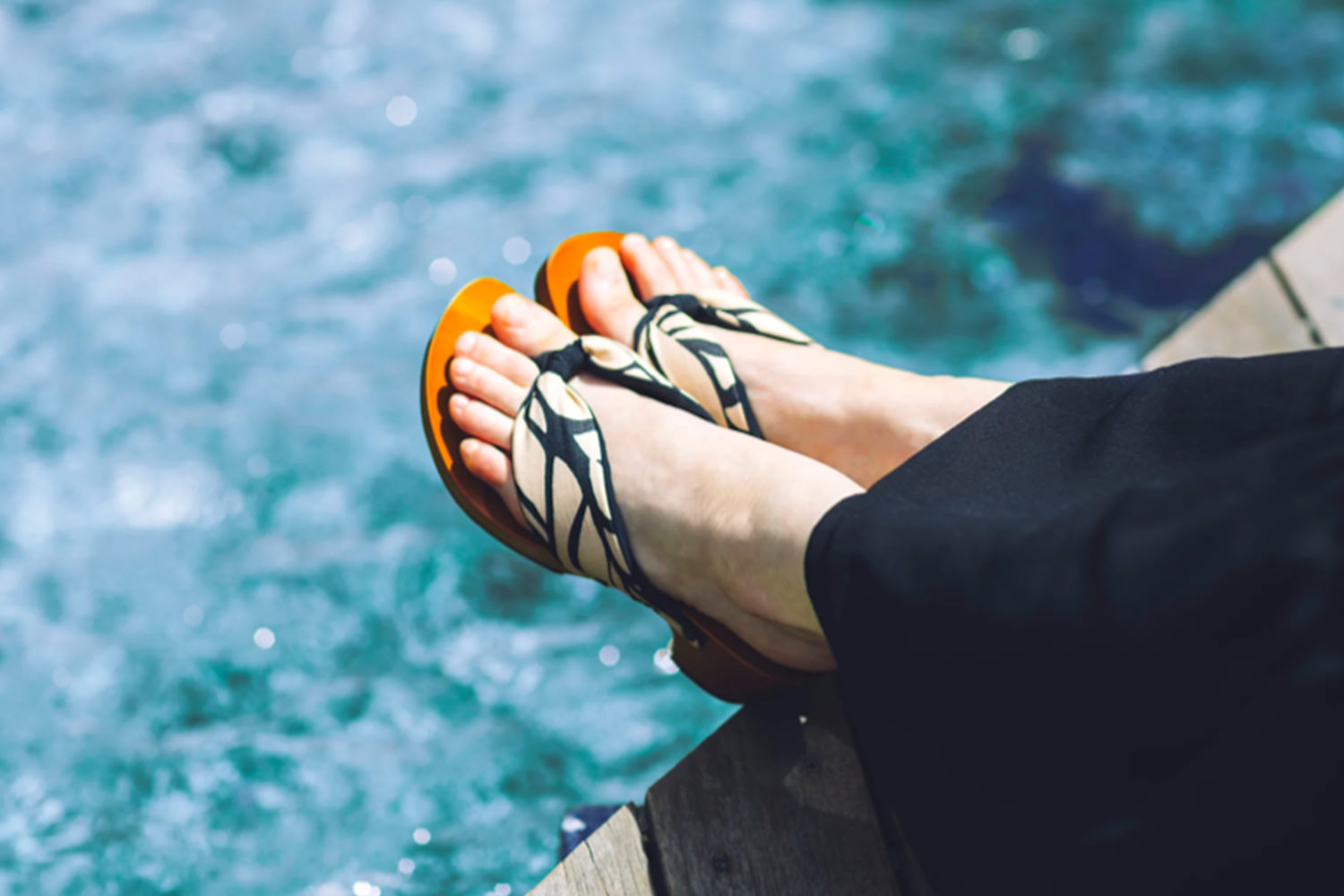
Fashion brands are breathing new life into traditional Japanese footwear. By reworking the core principles of geta (wooden clogs), setta (flat-sole sandals), and jika-tabi (split-toe footwear) for today’s wearers, these designs show how cultural heritage can be updated without losing its underlying purpose.
Foundations built for function
A nineteenth-century woodblock print depicting a samurai warrior wearing geta (wooden clogs) in the winter. (Photo courtesy of Brooklyn Museum (CC BY 2.0))
A nineteenth-century woodblock print depicting a samurai warrior wearing geta (wooden clogs) in the winter. (Photo courtesy of Brooklyn Museum (CC BY 2.0))
Understanding these modern reinterpretations requires appreciating their origins. Traditional Japanese footwear was guided by both function and cultural context, creating forms that worked in harmony with daily life.
The quality of geta often reflected the wearer’s status, ranging from simple wooden ones to beautifully lacquered footwear, as shown here.
The quality of geta often reflected the wearer’s status, ranging from simple wooden ones to beautifully lacquered footwear, as shown here.
Geta wooden clogs are a clear example of function-led design. Their raised platform kept kimono hems clean and dry while navigating Japan’s unpaved streets. Their distinctive clacking sound even served a social purpose, announcing one's approach in a culture that valued considerate behavior.
Another traditional Japanese sandal is setta, thonged footwear featuring a flat leather sole and a woven tatami surface. Unlike geta, setta are designed to be waterproof. Some designs featured metal plates fastened to the heel for durability and a distinct clicking sound. Setta’s flat soles were often preferred for garden walks to preserve the meticulous landscaping.
Equally ingenious are jika-tabi, split-toe footwear inspired by traditional split-toe socks (tabi) that made their market debut in the early twentieth century. By separating the big toe from the others, the design mirrors the natural structure of the foot, enabling greater flexibility, balance, and grip. These qualities made jika-tabi essential for Japanese construction workers, farmers, and craftspeople, and they remain a familiar sight today among rickshaw drivers, who rely on secure footing and precise control.
The flexibility and ergonomics of jika-tabi make the footwear a popular choice for occasions where balance and grip are essential. They can often be seen worn at festivals by those riding the festival floats.
The flexibility and ergonomics of jika-tabi make the footwear a popular choice for occasions where balance and grip are essential. They can often be seen worn at festivals by those riding the festival floats.
These shoes share a simple philosophy: footwear should work with the body’s natural mechanics rather than against it. Flat soles, separate toe boxes, and minimal cushioning encouraged active foot engagement and balance.
Tradition reimagined for contemporary life
Today's designers are rediscovering these principles and translating them into footwear that speaks to contemporary trends. The results blend cultural heritage with modern materials and comfort technologies.
Mizutori sells a broad range of traditional footwear-inspired shoes. (Photo courtesy of goyemon)
Mizutori sells a broad range of traditional footwear-inspired shoes. (Photo courtesy of goyemon)
Mizutori, a workshop established in 1937, has reimagined geta for twenty-first-century Japan. Their Hiete line features a 4.5-centimeter heel and a rubberized sole for a contemporary look and feel. They have also collaborated with sneaker manufacturers to create other innovative shoes that marry the aesthetics of traditional footwear with soles suited for modern living.
Goyemon uses modern technology to innovate traditional Japanese setta sandals. (Photo courtesy of goyemon)
Goyemon uses modern technology to innovate traditional Japanese setta sandals. (Photo courtesy of goyemon)
Similarly inventive is shoe brand Goyemon's Unda line, which blends air-cushioned sneaker soles with a setta-inspired design. By combining this traditional form with contemporary materials, Goyemon creates hybrid footwear that absorbs impact like athletic shoes while retaining the stable, rectangular base characteristic of setta. The result pairs naturally with jeans and streetwear.
More than meets the eye
Traditional geta are still worn today in Japan, typically paired with kimono or yukata.
Traditional geta are still worn today in Japan, typically paired with kimono or yukata.
A study conducted by Mizutori in collaboration with Shizuoka University suggests that wearing specific Mizutori geta models may help promote blood circulation. The results also indicate potential improvements in “floating toe” conditions, in which the toes lift off the ground, and suggest that such changes may contribute to a more centered and upright posture.
Jika-tabi-style shoes offer their own advantages. The split-toe design allows the big toe to extend independently, which research links to bunion prevention and maintaining the foot’s natural arch. By letting toes move freely and grip subtly with each step, jika-tabi activate small muscles in the foot that are important for stability and flexibility while walking.
Contemporary shoes inspired by jika-tabi have also been created. (Photo courtesy of MARUGO)
Contemporary shoes inspired by jika-tabi have also been created. (Photo courtesy of MARUGO)
Marugo, a Japanese manufacturer founded in 1919, has built upon a century of tabi craftsmanship to develop modern jika-tabi that encourage healthy foot function. In addition to the ergonomic, tried-and-tested split-toe design, their footwear integrates contemporary cushioning and high-tech materials for ultimate comfort.
A step in the right direction
The renewed interest in Japanese footwear shows that traditional styles still offer practical insight into how we move today. Shaped by mechanics, balance, and close observation of the body in motion, geta and jika-tabi continue to resonate. As contemporary Japanese designers revisit these forms, the shoes suggest that innovation in fashion sometimes requires stepping back into the past.