

From Tradition to Trend: The Cool Summer Style of Jinbei and Kariyushi Wear
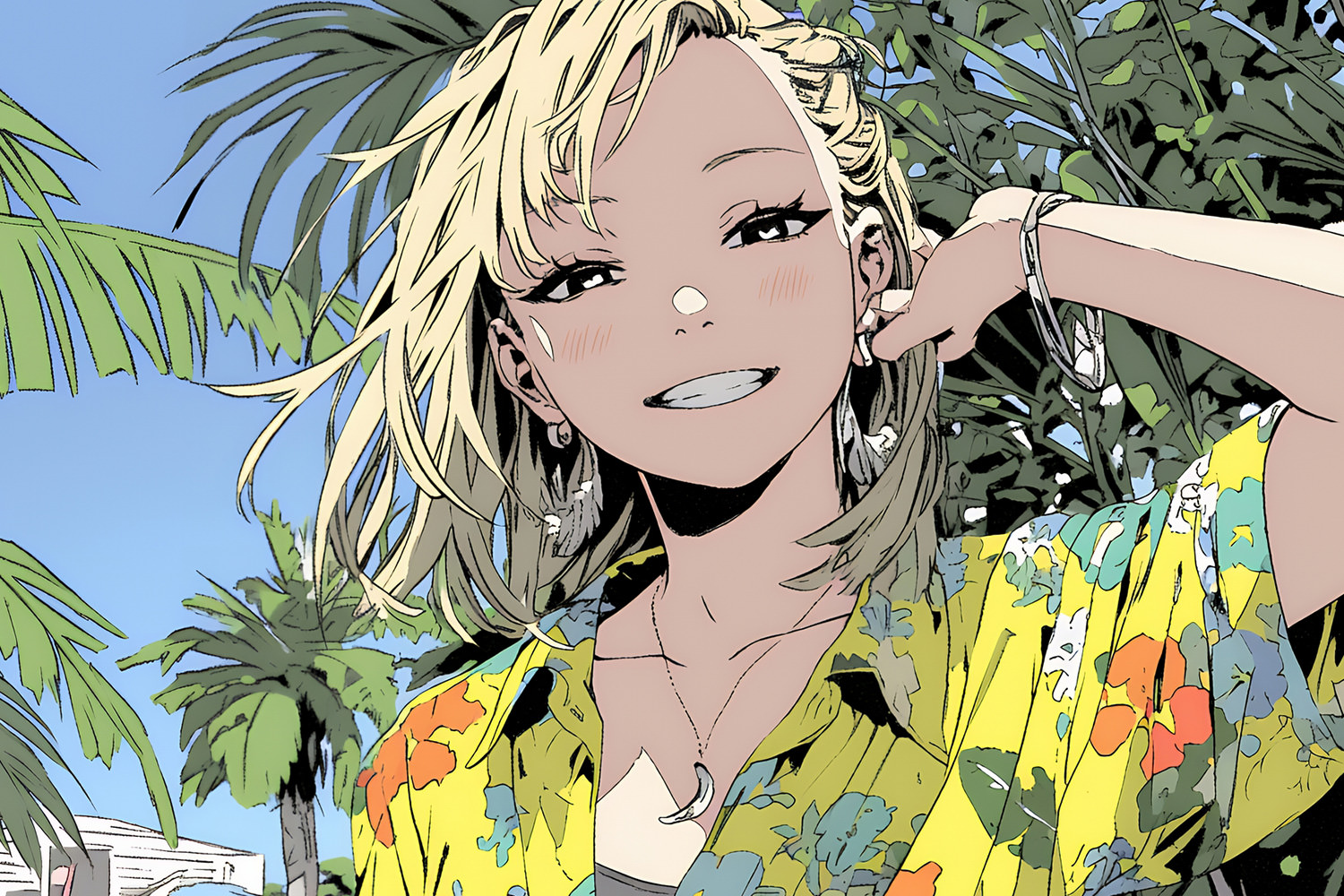
Japan’s summers are intense, with long, humid months that are growing increasingly hotter. In fact, the summer of 2025 was the hottest on record, averaging 2.36°C above the long-term norm, with Isesaki in Gunma Prefecture reaching 41.8°C. In such conditions, lightweight, breathable clothing is essential.
The art of dressing for summer
In Japan, dressing for summer is about finding balance: breathable fabrics, airy silhouettes, and designs that make wearers feel comfortable.
Among the solutions passed down through time are garments designed specifically for summer, such as jinbei and kariyushi wear. Both embody the idea that clothing can be practical yet expressive, offering breezy comfort while reflecting regional culture and aesthetics. Once considered modest home or festival wear, today they are enjoying renewed attention as clothing that captures both tradition and modern flair.
The enduring comfort of the jinbei
Jinbei are incredibly breathable and comfortable, ideal for Japan’s hot and humid summers.
Jinbei are incredibly breathable and comfortable, ideal for Japan’s hot and humid summers.
The jinbei is one of Japan’s most recognizable summer outfits. Traditionally made of cotton or hemp, it consists of a short-sleeved jacket tied with simple cords and paired with loose-fitting shorts. Its lightweight fabric, open sleeves, and loosely sewn seams allow air to circulate, keeping wearers cool on hot, sticky days.
Many people wear jinbei at home as loungewear.
Many people wear jinbei at home as loungewear.
The jinbei traces its roots to jinbei-haori, outer garments worn by foot soldiers and lower-ranking samurai between the seventeenth and nineteenth centuries. Over time, townspeople began wearing them, valuing their breathability in Japan’s humid climate. They soon became common attire at home, often doubling as loungewear, and later found a place at summer festivals, when men and boys would don them to enjoy fireworks and other events.
Today, jinbei are available in many colors, patterns, and sizes.
Today, jinbei are available in many colors, patterns, and sizes.
Today, the jinbei has branched out to new audiences and adapted to modern tastes. Women’s styles often feature feminine prints, lace, and frills, while children’s versions come in bright patterns. Some makers also use lightweight gauze fabrics for extra comfort in the summer heat. Affordable and widely available in department stores and online, the jinbei remains a practical staple of Japanese summer wear.
Embracing Okinawan style
If the jinbei represents summer ease on the Japanese mainland, then kariyushi wear embodies the breezy, tropical spirit of Okinawa, Japan’s southernmost prefecture. The word kariyushi itself means “auspicious” or “something to celebrate” in the Okinawan dialect.
Kariyushi wear was officially introduced in 1970 as the “Okinawa Shirt” by the Okinawa Tourist Federation, conceived as a local way to promote tourism. To be certified as official kariyushi wear today, it must be manufactured or sewn in Okinawa Prefecture and its design must clearly express Okinawan character. The traditional motifs often include local culture and nature, such as Ryukyu kasuri (geometric weaving) and Ryukyu bingata (dyed textile). The shirt’s adoption took off dramatically after heads of state wore them at the Kyushu-Okinawa G8 Summit in 2000, giving the style national attention.
Designs typically include motifs and patterns inspired by traditional Okinawan culture. (Image courtesy of Kizuna Okinawa)
Designs typically include motifs and patterns inspired by traditional Okinawan culture. (Image courtesy of Kizuna Okinawa)
This garment’s shift into the business world began in the early 2000s, notably through Japan’s “Cool Biz” campaign. This campaign promoted lighter summer dress to reduce heavy air conditioner use and save energy. Today, as a key component of ongoing efforts to combat climate change and conserve energy, the cool, breathable comfort of kariyushi wear is widely recommended and continually spreading in business settings across Okinawa and mainland Japan. Offering both professionalism and breathability, the shirts have cemented their status as essential summer business attire and are also accepted at weddings and other formal occasions.
It is not uncommon to see kariyushu wear in business settings across Okinawa.
It is not uncommon to see kariyushu wear in business settings across Okinawa.
The new reality of summer
Beyond simple seasonal clothing, the jinbei and kariyushi wear show how tradition can evolve while keeping its cultural heart. Their popularity today reflects not only a response to rising heat but also a desire to carry traditional Japanese identity into modern life. As Japan faces hotter summers, these garments remind us that tradition and change can move together—an invitation to dress lightly, live comfortably, and celebrate summer in true Japanese style.