

A Better Tomorrow: Japanese Technology Improving Life for Older Adults
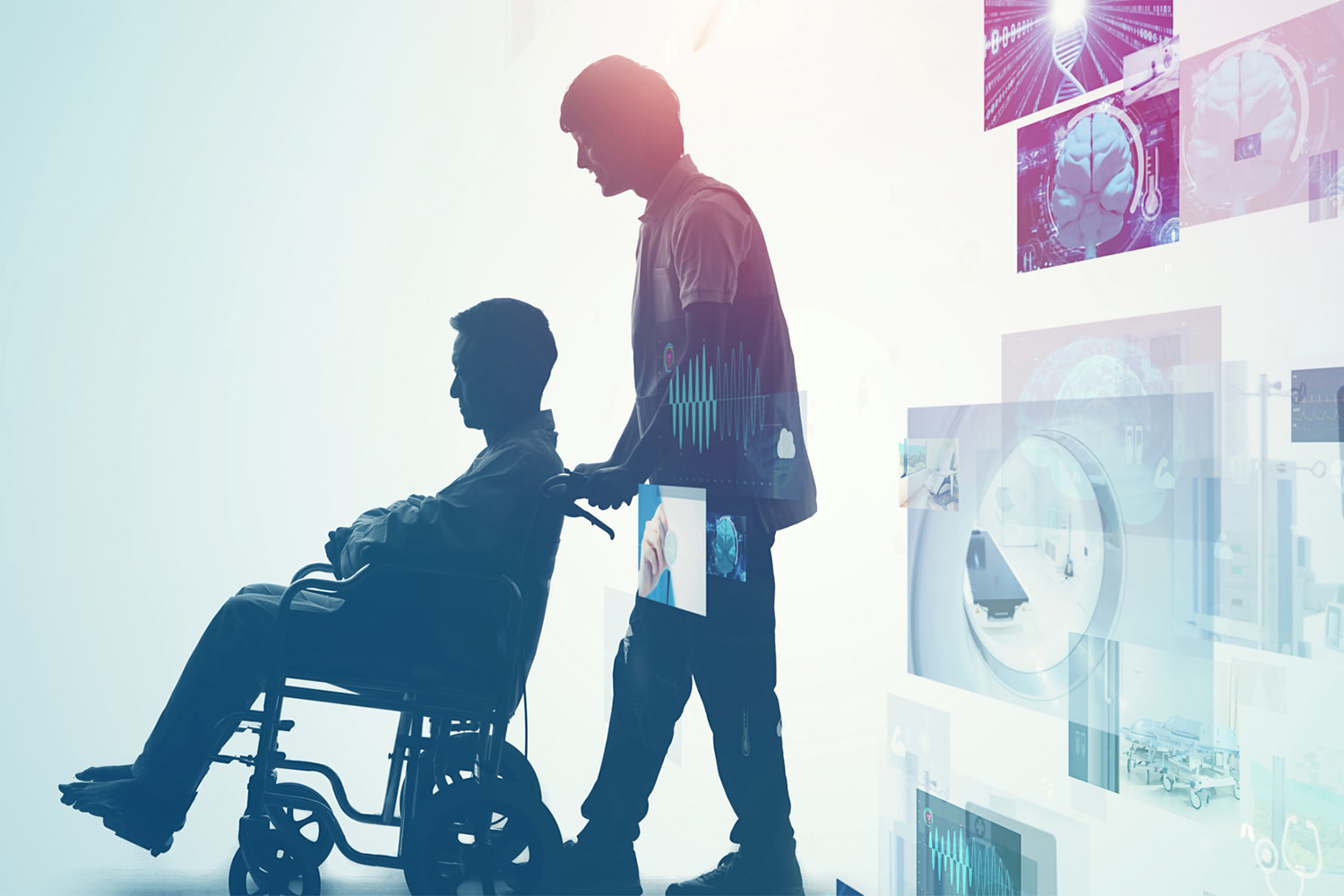
Japan is home to one of the world’s most rapidly aging societies, with nearly one in three citizens over the age of 65. This demographic shift presents significant challenges for the nation as a whole but has also inspired Japanese companies, researchers, and local governments to develop new technologies that improve quality of life for older adults and support their independence.
Embracing an Aging Population
The graying of Japan is not an isolated event but rather a preview of the demographic changes to come for many countries. With fewer workers and a greater demand for services, the question is not only how to care for older adults, but how to integrate them into society in a way that does not overwhelm the younger generations or the economy as a whole.
In response, Japan has framed aging as a phenomenon that touches every part of society. This perspective has driven policies, research, and industrial partnerships aimed at helping older adults remain active and engaged.
Innovating for Independence
Automated devices like this can be used to help monitor and improve people’s mobility. (Image courtesy of Panasonic Corporation)
Automated devices like this can be used to help monitor and improve people’s mobility. (Image courtesy of Panasonic Corporation)
Mobility is central to independence, and technology is playing a growing role in preserving mobility. For example, one large Japanese electronics company has developed a walk training device that automatically analyzes gait and balance and then applies exercise loads during walking. The collected data is recorded, visualized, and can be shared with therapists or staff to track progress over time.
This wearable device uses ultrasound to alert the wearer when it’s time to go to the toilet. (Image courtesy of Dfree Inc.)
This wearable device uses ultrasound to alert the wearer when it’s time to go to the toilet. (Image courtesy of Dfree Inc.)
Another wearable device supports older adults living with urinary incontinence. Placed on the lower abdomen, it uses ultrasound to measure bladder volume and sends an alert when it is time to use the bathroom. In doing so, it may reduce complications of incontinence and help older adults maintain dignity and independence in everyday life.
Safety-support cars reduce some of the risks older drivers face.
Safety-support cars reduce some of the risks older drivers face.
Even the Japanese automobile industry has joined the effort. Safety-support cars are equipped with features such as collision-mitigation braking, lane-departure warnings, and systems that prevent misapplication of the pedals. Other systems are being developed to sense sudden health problems and stop automatically if a driver becomes unwell, reducing risks for older drivers and those around them.
Services that Connect and Protect
Japan’s excellent delivery networks are an important lifeline for older adults.
Japan’s excellent delivery networks are an important lifeline for older adults.
Japan’s delivery infrastructure is among the most extensive and dependable in the world, with couriers reaching even remote mountain towns on a regular basis. Increasingly, these networks are being used not only to deliver goods but also to support the well-being of older adults in practical, community-based ways.
Some delivery companies offer monitoring services and call on older people to make sure they are okay. (Image courtesy of Yamato Transport Co., Ltd.)
Some delivery companies offer monitoring services and call on older people to make sure they are okay. (Image courtesy of Yamato Transport Co., Ltd.)
One such service is operated by a major logistics company, which integrates IoT sensors, such as light bulbs that monitor whether lights are switched on or off at expected times. If unusual activity is detected, alerts are sent to designated contacts, and company staff can make a proxy visit to check on the resident if needed.
Mobile shops like this make it easy for people in remote communities to get daily necessities.
Mobile shops like this make it easy for people in remote communities to get daily necessities.
Food and pharmacy delivery services also play a critical role. Co-op delivery trucks bring fresh groceries and prepared meals on fixed schedules, and pharmacies and convenience stores are increasingly offering home delivery. While these services are not unique to Japan, what is unique is the influence these services have: nearly 4 in 10 households nationwide belong to a co-op, and the country has an exceptionally high number of both convenience stores and community pharmacies.
The Human-Centered Future of Aging
As other countries across the globe face similar challenges, Japan’s experience offers valuable lessons. While technology alone is not the answer, Japan’s innovation is paving the way for a society where everyone, including older adults, feels safer and more included. This vision is rooted in Japan’s longstanding respect for older adults as active members of the community, valued for their experience and wisdom.