

Japanese Characters That Make You Feel Seen
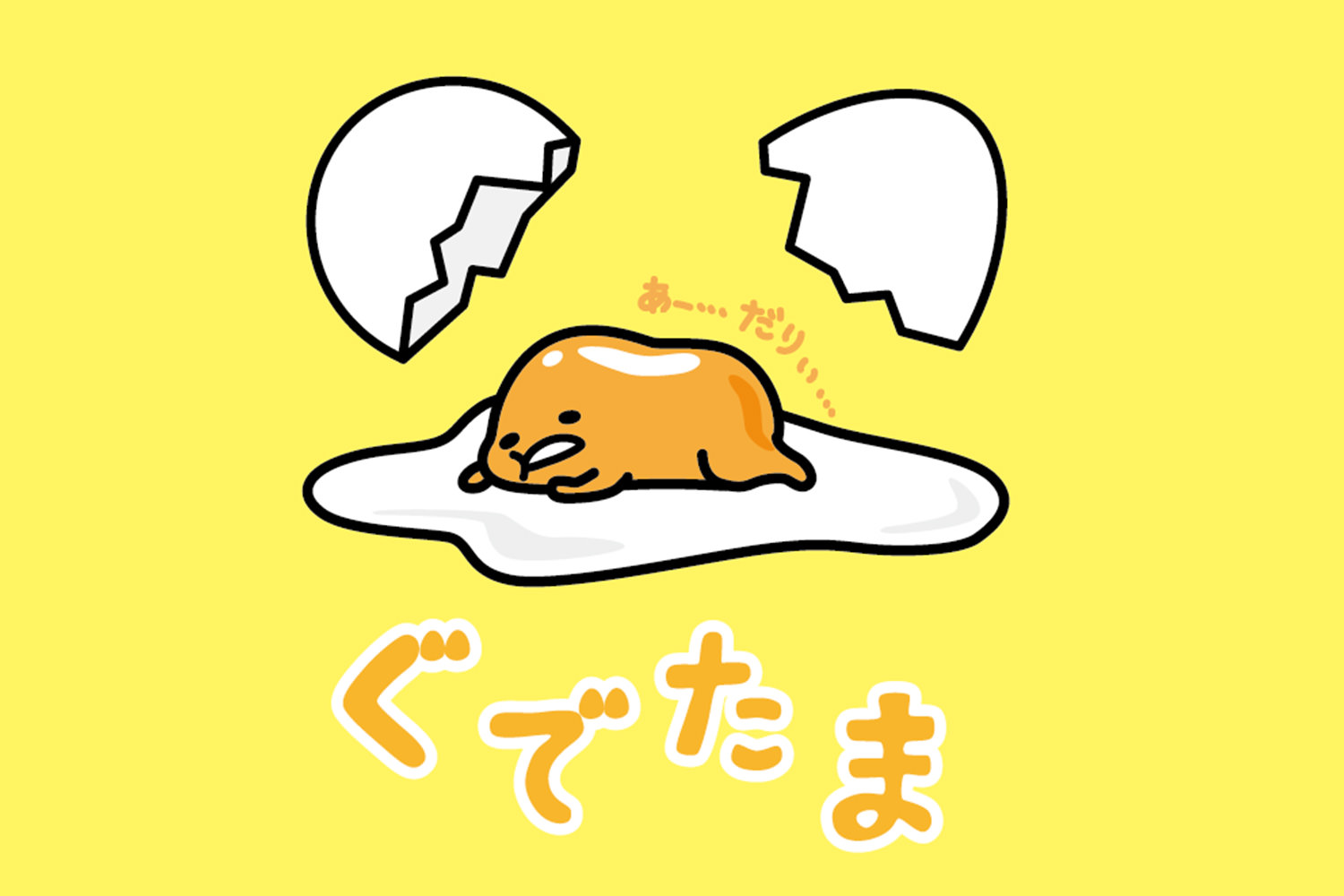
Photo courtesy of © 2026 SANRIO CO., LTD.
Living in our busy modern society, it can be comforting to see yourself in someone—or something—else. People are increasingly drawn to the unique charm of Japanese characters. This is because they can relate to them and find it easy to empathize with their situations. Connecting with others who share the same interests in a character fosters a sense of community, offering a place to belong in today’s often isolated world.
Popular characters everybody can relate to
People often turn to pop culture for reassurance and to have their feelings validated, and that’s no different in Japan. Sometimes, the strange characters are the ones that deeply strike a chord. Their unique style and eccentric personalities are exactly why people relate to them.
The characters of Obungu to Issho, featuring Obungu-san and Purin-san in the center, are walking contradictions that reflect how people are multifaceted and complex. © obungu / KODANSHA
The characters of Obungu to Issho, featuring Obungu-san and Purin-san in the center, are walking contradictions that reflect how people are multifaceted and complex. © obungu / KODANSHA
Obungu to Issho (Obungu and Friends) is a series featuring cute characters with oddly contradictory quirks. These characters were created to gently fill the weary spaces within the heart. The main character, Obungu-san, wants to live a peaceful life and loves pudding; despite his name, he has no relation to stationery (bungu in Japanese). Another character, Purin-san, resembles a custard pudding—complete with brown caramel-colored head—yet is ironically allergic to eggs. Their soft and cute appearance, along with spirits of challenge and “healing messages” that seem to resonate with modern society, has struck a chord with many people.
Gudetama’s viral appeal lies in its chronic lack of energy; stories about the character trying to handle life’s boring but difficult daily tasks resonate widely. (Photo courtesy of © 2026 SANRIO CO., LTD.)
Gudetama’s viral appeal lies in its chronic lack of energy; stories about the character trying to handle life’s boring but difficult daily tasks resonate widely. (Photo courtesy of © 2026 SANRIO CO., LTD.)
Sanrio, the company behind Hello Kitty, is another big name in the world of relatable characters. One of their characters, Gudetama, an unenthused egg, went viral globally after its 2013 debut. Gudetama’s apathy runs deep, and it sometimes struggles to get out of bed. The lackluster words and actions of the “unmotivated egg” soothe people and bring them laughter.
The cast of Sumikkogurashi encompasses many relatable characters, including Shirokuma (bottom center) and Tonkatsu (bottom left). (Photo courtesy of © 2026 SAN-X CO., LTD. ALL RIGHTS RESERVED.)
The cast of Sumikkogurashi encompasses many relatable characters, including Shirokuma (bottom center) and Tonkatsu (bottom left). (Photo courtesy of © 2026 SAN-X CO., LTD. ALL RIGHTS RESERVED.)
Sumikkogurashi is another set of characters to which many relate. Sumikko is the word for “corner” in Japanese, referring to the fact that they live at the edge of society. The idea that being in the corner feels safest resonates with the modern living environment and creates a strong sense of empathy. The bean-shaped characters share a sense of unbelonging but find fulfillment in the simple things. Shirokuma is a polar bear who is sensitive to the cold and feels most at ease when drinking warm tea in a corner, while Tonkatsu is the leftover piece of a fried pork cutlet, made of only 1% meat and 99% fat—it was too oily to eat. Characters designed with slightly negative traits provide a sense of reassurance that “you don't have to force yourself.”
Universality is key
The popularity of those characters lies in their universality. Because they’re the personifications of an aspect of one’s personality and are rarely attached to a particular industry or subculture, it makes it easy for anybody to relate to them.
Gudetama may resonate with those who are burned out with the hardships of work or life. Shirokuma from Sumikkogurashi appeals to those who deviate from the expectations of preconceived stereotypes. Others may identify with Tonkatsu in feeling like they’re often forgotten or excluded.
With their simple wants, particular dislikes, and comical demeanors, Obungu-san and Purin-san have become popular reaction stamps on communication apps. They are perfectly suited for capturing specific moods and feelings in the moment.
The cultural significance of relatable characters
Characters that embody universal feelings have a large following because of their association with positive emotions and reassurance that they, the fans, are not alone.
From plushies to themed stationery, there is an array of merchandise through which fans can cheer for their favorite character. (Photo courtesy of ©2026 SAN-X CO., LTD. ALL RIGHTS RESERVED.)
From plushies to themed stationery, there is an array of merchandise through which fans can cheer for their favorite character. (Photo courtesy of ©2026 SAN-X CO., LTD. ALL RIGHTS RESERVED.)
People see themselves in Gudetama or one of the Sumikkogurashi characters, or express themselves with Obungu to Issho stamps on messaging apps, but the fandoms also bring together people who may be going through similar things. When people feel seen or experience a sense of belonging, they are more confident and live happier lives.